Written scope
Photos, moisture logs and equipment records.
When sewage backs up into your Roseville basement, every hour matters. Our team handles Basement Sewage Backup Cleanup in Roseville with truck-mounted extraction, antimicrobial treatment and full structural drying. We serve homeowners and property managers across Macomb County, from Downtown Roseville 48066 to Fraser and Eastpointe. If your floor drain is bubbling or your sump pit is overflowing, call us now and we will get the mess out, sanitize the space and document everything for your insurance claim.
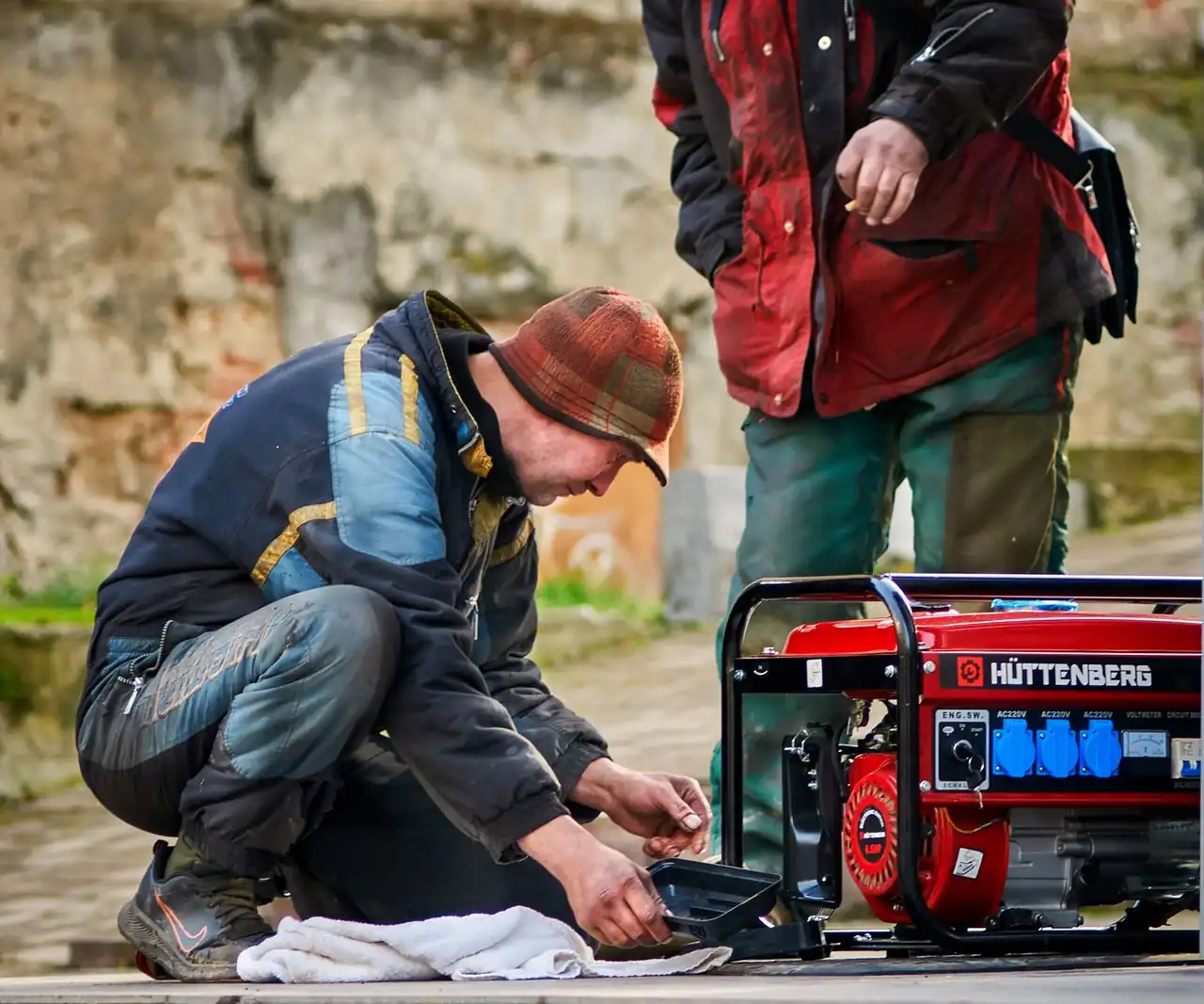
Every job is different, but the core scope of Basement Sewage Backup Cleanup in Roseville covers source control, extraction, debris removal, disinfection and structural drying. Add-ons like drywall replacement, flooring install or full Sewage Damage Restoration are quoted separately once the structure is dry and we can see what needs to be rebuilt.
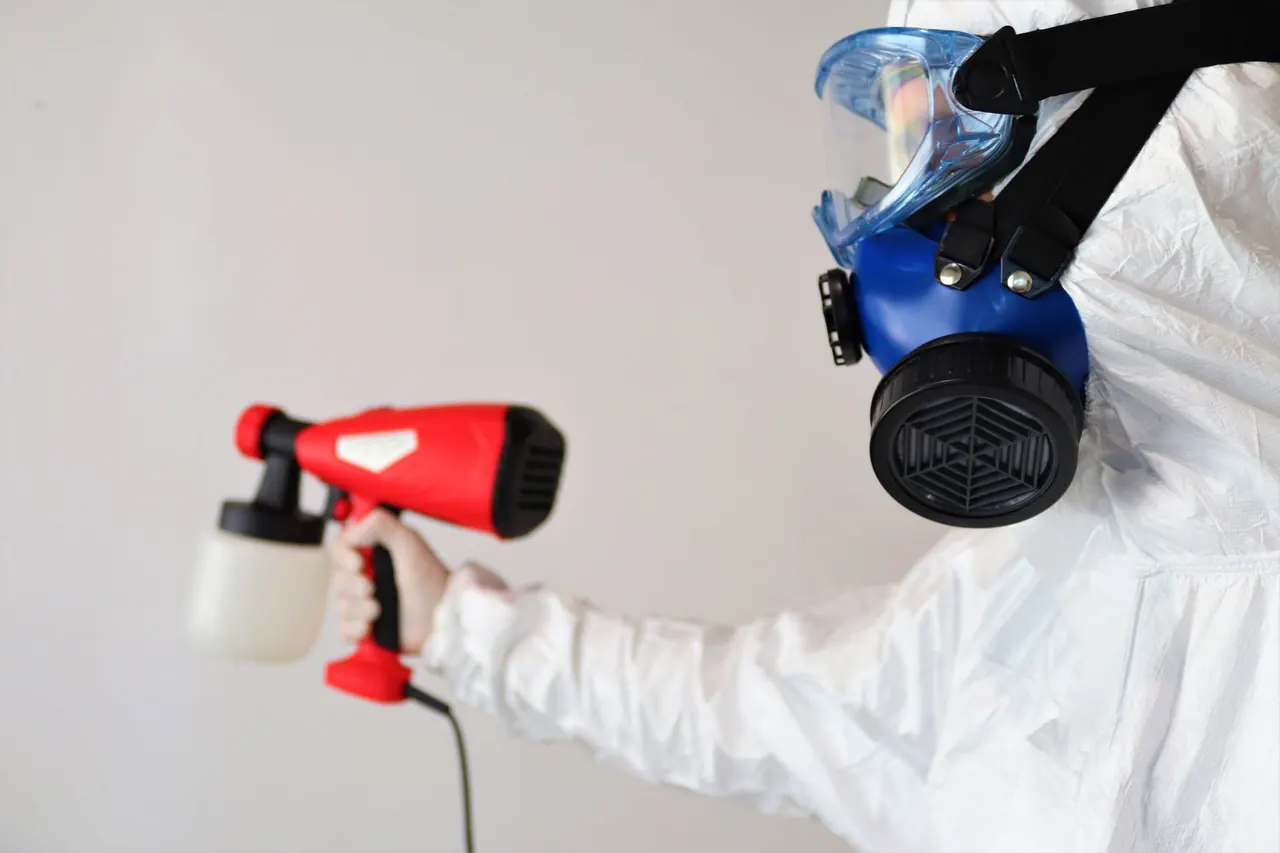
We handle sewage backups in single-family homes, duplexes and rented units across Roseville. Our crew extracts the waste, removes contaminated materials, and dries the structure so your basement is safe to use again.
We work with property managers, landlords and small business owners who need a basement dried and back in service fast. Our crews document the loss and coordinate with your insurer.
Basement Sewage Backup Cleanup in Roseville is the process of removing Category 3 contaminated water, solids and debris from a flooded basement, then disinfecting and drying the structure so it is safe to use again. It is not a shop-vac job. Sewage carries bacteria, viruses and parasites that soak into concrete, drywall and framing within hours. We start by stopping the source, then extract standing waste with a truck-mounted unit, treat every touched surface with an EPA-registered disinfectant, and run air scrubbers and dehumidifiers until moisture readings return to normal. The work follows IICRC WRT and AMRT standards, and we document each step for your insurer.
Most Roseville calls come from the same handful of failures: a clogged main sewer line, root intrusion in a clay lateral, a sump pump that quit during a heavy rain, or a backwater valve that was never installed. Homes in the 48066 ZIP and older blocks near Downtown Roseville often have cast-iron drains and shallow basements that flood fast. When you search for flooded basement sewage cleanup near me Roseville Michigan at 2 a.m., you need a crew that knows these streets and can be on-site with the right equipment, not a call center that dispatches from three counties away.
Sewage in a basement is a health hazard, not a mopping job.
Every job follows the same five steps, whether it is a small backup in a Fraser bungalow or a finished basement in Eastpointe. Here is exactly what happens from the moment you call.
You call, we ask three questions: is the water still rising, is there a clean-out you can reach, and has anyone been in the water. Then we dispatch the nearest crew. Most Roseville addresses see a technician within 60 to 90 minutes. We bring containment barrier, PPE and extraction gear on the first truck so we are not waiting on a second trip.
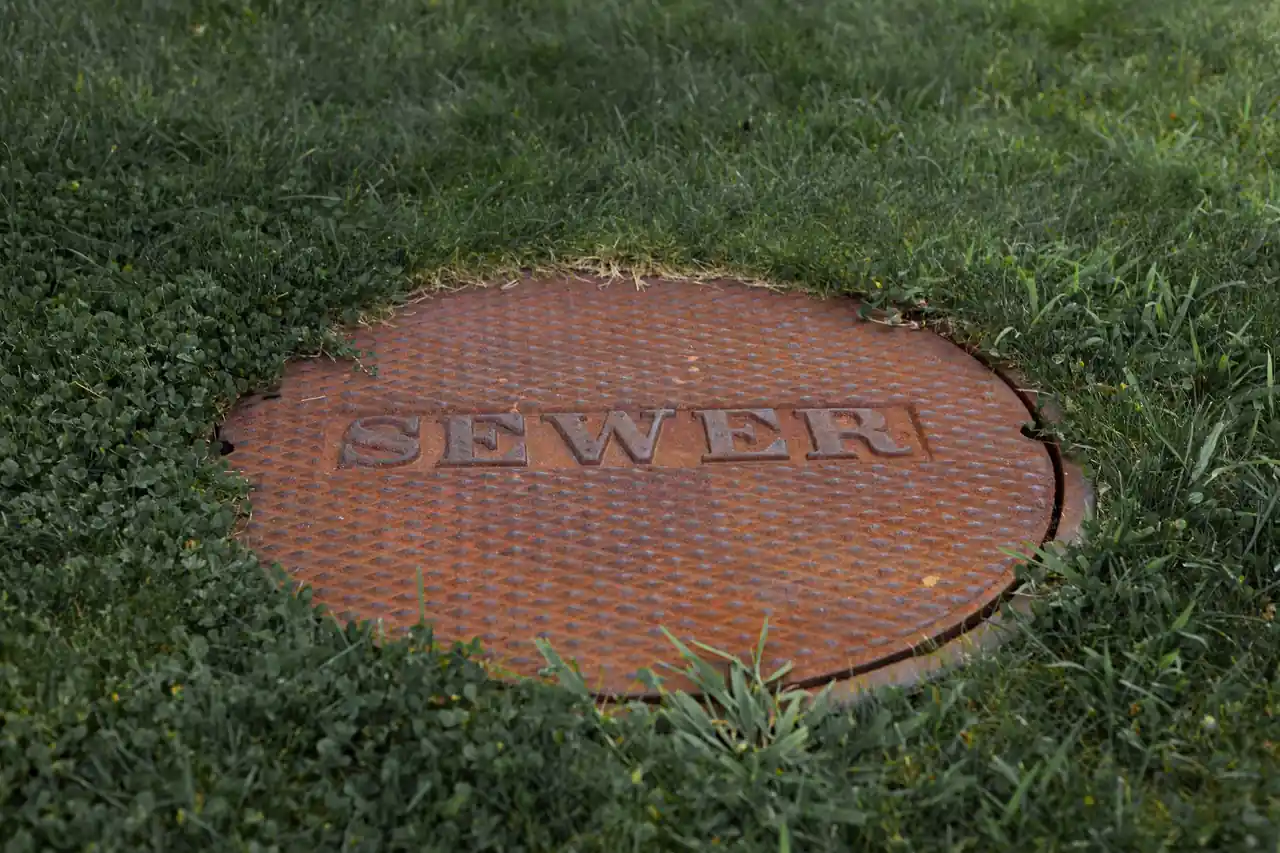
Before we touch the water, we stop the source. If the backup is from the city main, we coordinate with Roseville public works. If it is a failed sump pump or clogged lateral, we isolate the line. We set up plastic sheeting and containment barrier to keep sewage from spreading to stairs and living areas, and we put on full PPE before entering.
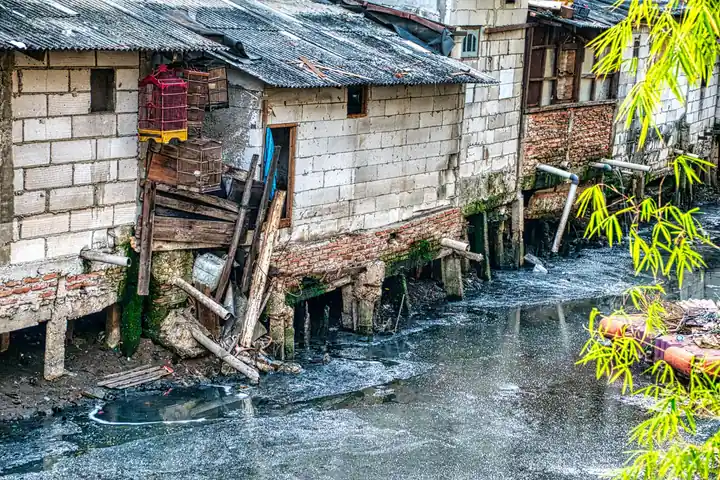
We pump standing sewage with a truck-mounted extraction unit, then remove saturated carpet, pad, drywall and insulation. Anything porous that touched Category 3 water gets bagged and hauled out. We use a sewer camera when needed to confirm the line is clear, and a hydro-jetter if root intrusion or grease is the culprit. This step usually takes two to four hours.
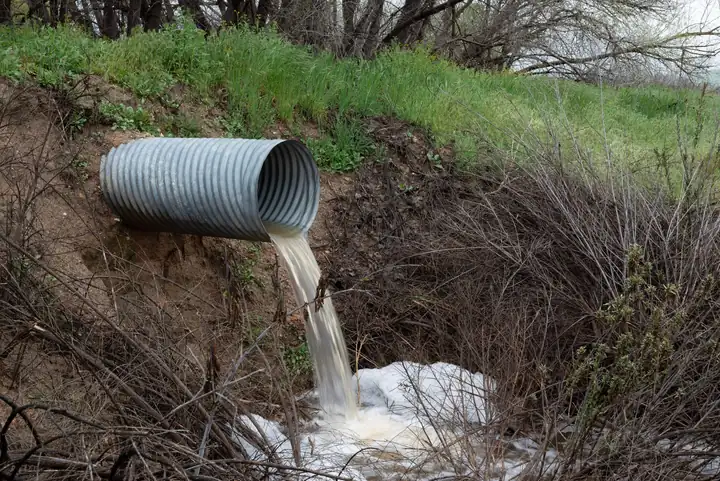
After extraction, we pressure wash contaminated concrete and apply disinfectant and antimicrobial solution. Then we set air scrubbers, dehumidifiers and air movers. We check moisture meter and thermal imaging camera readings daily. Drying typically runs three to five days depending on how deep the sewage soaked into the slab and framing.
We do not pack up until moisture readings match a dry standard for the material. We take final photos, log equipment hours, and walk you through what was done. If you are filing a claim, we send the full documentation to your adjuster. You get a dry, disinfected basement and a paper trail that supports the loss.
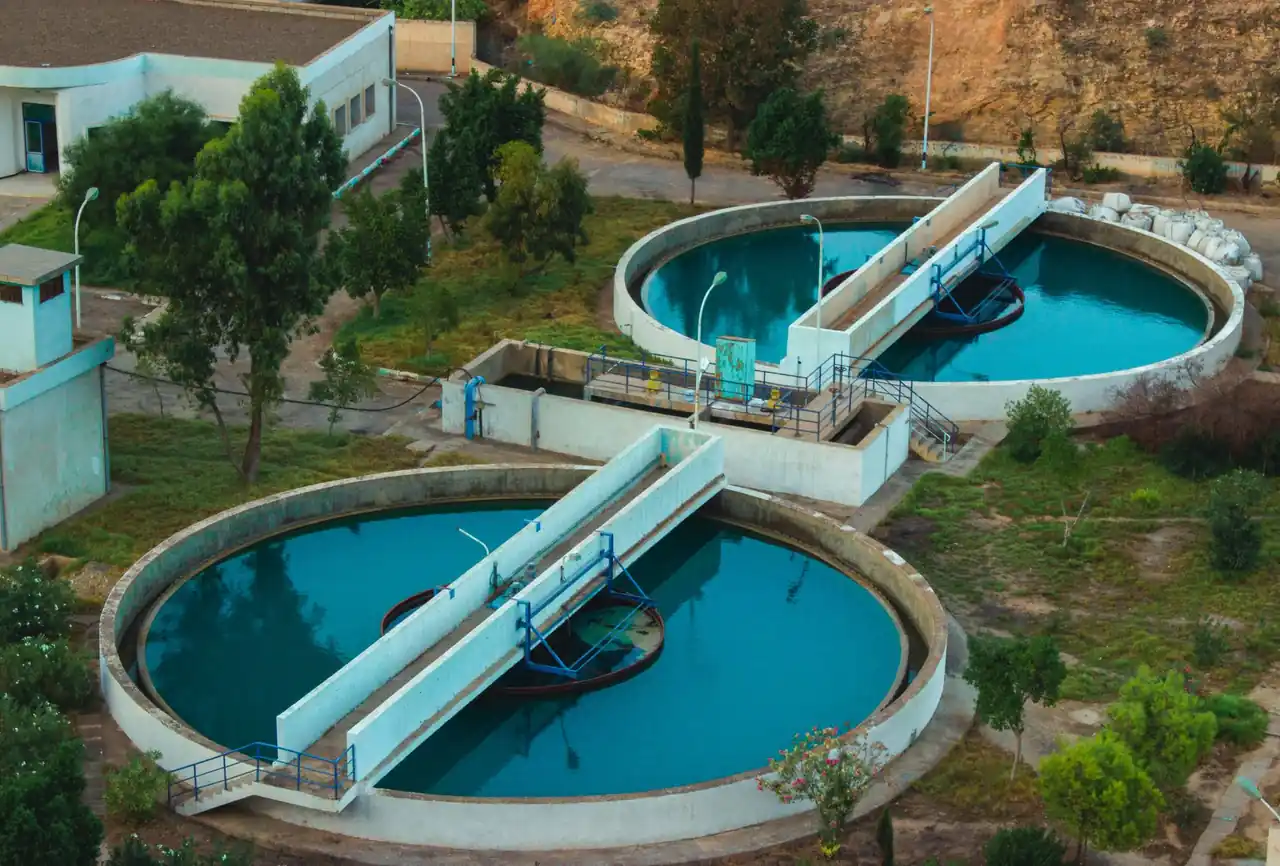
Pumps standing sewage and solids fast, with enough lift to clear a basement without dragging portable units down the stairs.
Filters airborne bacteria and odor particles during and after extraction, keeping contamination from spreading to the rest of the house.
Dries concrete, framing and subfloor after extraction. We run them until a moisture meter confirms a dry standard.
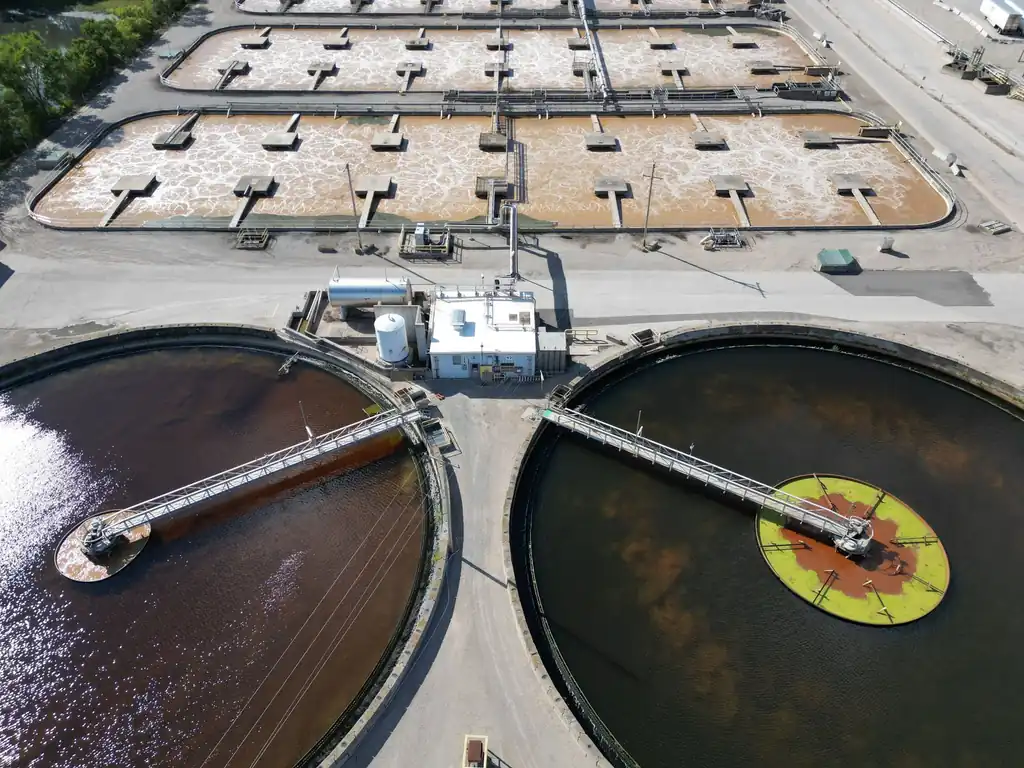
Finds hidden moisture behind walls and under flooring so we do not leave a wet pocket that turns into mold.
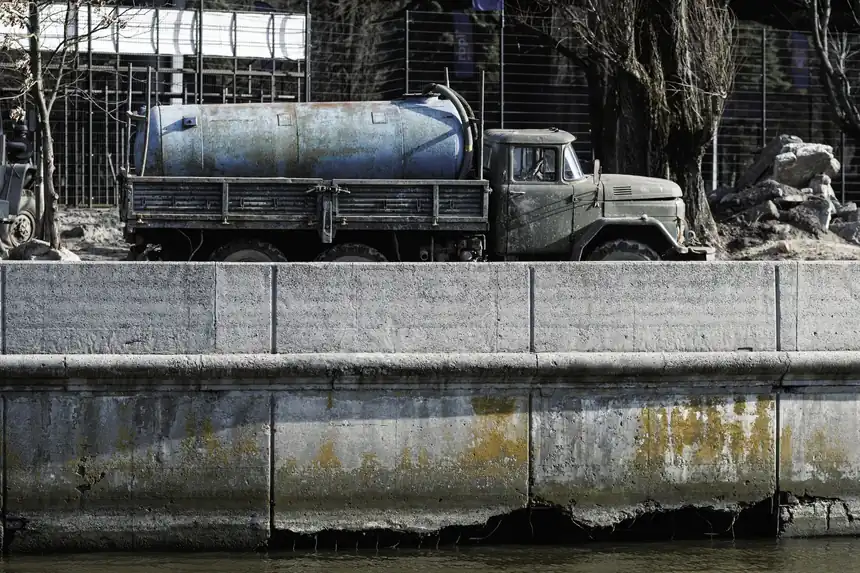
Confirms the line is clear and clears root intrusion or grease that caused the backup in the first place.
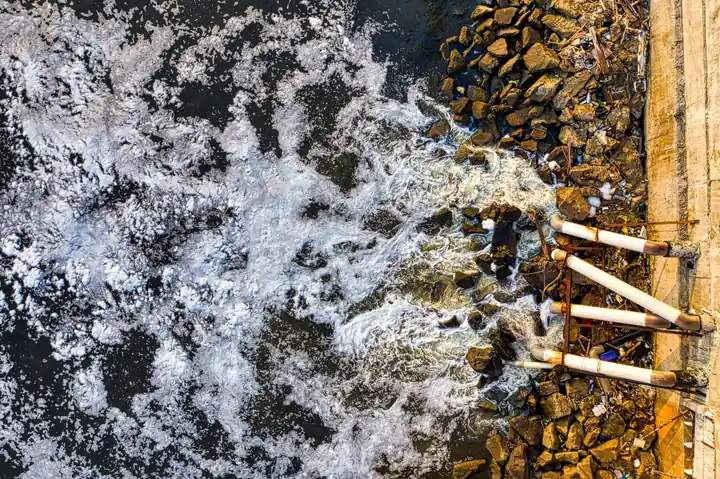
Handles final pickup in tight corners and around equipment where the truck mount cannot reach.
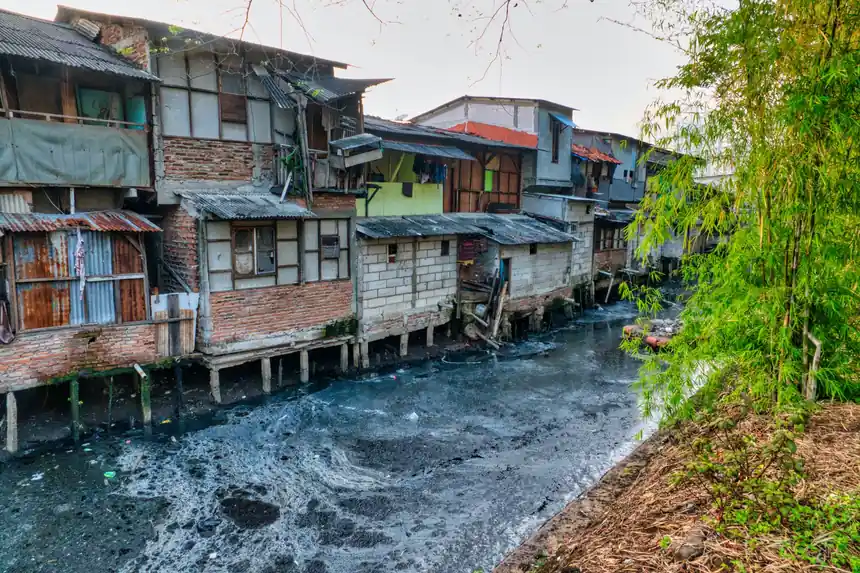
Industry-standard drying equipment that we size to the cubic footage of your basement.
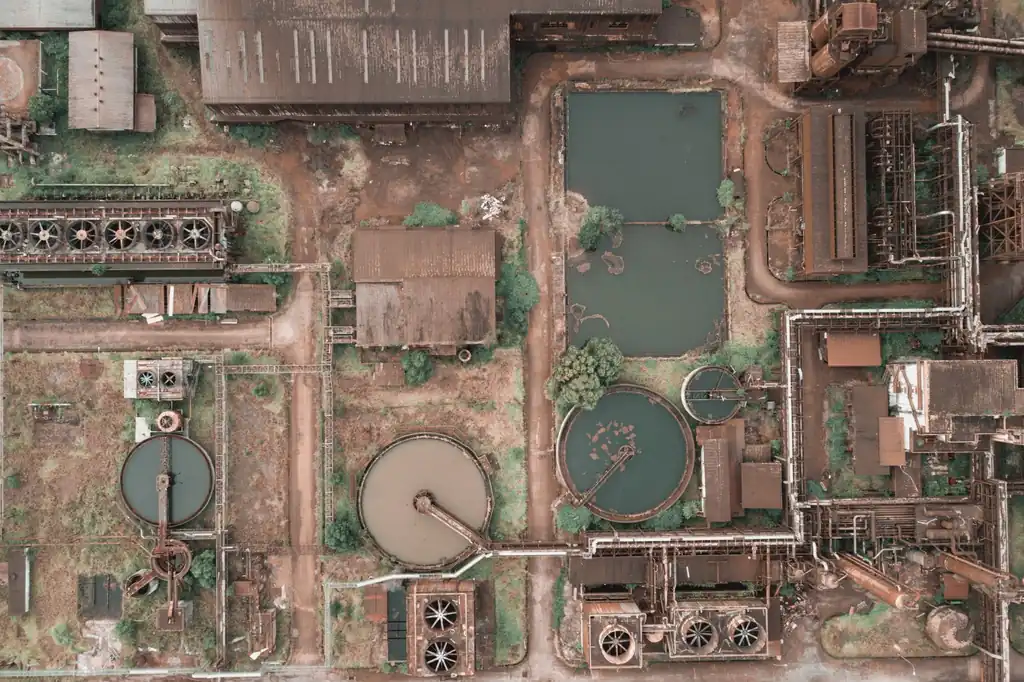
We follow the IICRC S500 standard for water damage restoration, including daily moisture readings, equipment sizing and a documented dry standard for each material. That is how we know when to pull the equipment instead of guessing.
We stop the source, extract the standing waste with a truck-mounted unit, pressure wash the concrete, and apply disinfectant. Air movers and a dehumidifier run for three days until moisture readings hit a dry standard. The basement is dry, disinfected and safe to use again. We provide photos and a moisture log for the insurance claim.
We remove carpet, pad and the bottom two feet of drywall, extract the remaining water, and treat the framing and slab with antimicrobial solution. Air scrubbers and dehumidifiers run for five days. The structure dries without mold growth, and the customer gets a documented scope for rebuilding.
We split the crew, contain both units, extract the waste, and remove contaminated materials. We coordinate with a plumber to clear the main line and document both losses separately for the claim. Both units are dried and disinfected within five days, and the adjuster accepts the scope without pushback.
We inspect with a moisture meter and thermal imaging camera, find trapped moisture under the slab edge, and treat the area with disinfectant and antimicrobial solution. Air scrubbers run for two days. The odor is gone, moisture readings return to normal, and the customer avoids a mold problem.
Roseville sits on flat, low-lying ground with a lot of older housing stock, and that combination drives most of the sewage backups we see. Homes built in the 1950s and 1960s often have clay sewer laterals that roots have been working on for decades, plus cast-iron floor drains that corrode and catch debris. When a heavy rain hits Macomb County, the city main can surcharge and push sewage back through the lowest drain in the house, which is almost always the basement floor drain. We see this most often in Downtown Roseville 48066 and the blocks near Gratiot and Groesbeck. If you are searching for 24/7 basement sewage cleanup Roseville Michigan during a storm, we are already running crews in those neighborhoods. Our trucks carry pump hose rated for solids, containment barrier, and enough drying equipment to handle a full basement loss without waiting on a second delivery. We also know which blocks flood first, so we can tell you whether your backup is a one-time event or a sign that your lateral needs a camera inspection.
A spring storm surcharged the city main and sewage backed up through the floor drain, spreading two inches of waste across 600 square feet of unfinished basement. The homeowner had tried a shop-vac and made little progress.
We extracted the standing waste in three hours, pressure washed the concrete, applied disinfectant, and ran air movers and a dehumidifier for three days. Final moisture readings matched a dry standard and the basement was safe to use again.
We recommended a backwater valve on the floor drain and a sewer camera check on the lateral. Both are inexpensive compared to another cleanup.
A failed sump pump let sewage water cover 400 square feet of finished basement, soaking carpet, pad and the bottom two feet of drywall. The furnace and water heater sat in the affected area.
We removed carpet, pad and drywall, extracted the remaining water, treated framing with antimicrobial solution, and dried the structure for five days. The customer rebuilt the space after we documented the loss for insurance.
We installed a new sump pump with a battery backup and tested the discharge line. The homeowner now checks the pit before every forecasted storm.
A clogged main line backed up into two basement units of a six-unit building, leaving standing sewage in both. Tenants were displaced and the property manager needed documentation for a commercial claim.
We ran two crews, contained both units, extracted the waste, removed contaminated materials, and dried both basements in five days. The adjuster accepted our scope and equipment logs without pushback.
We set up a quarterly sewer camera inspection and recommended a hydro-jetting schedule to keep the main line clear.
Most Roseville backups trace back to one of a few causes. Here is what we see on calls and how we handle each one.
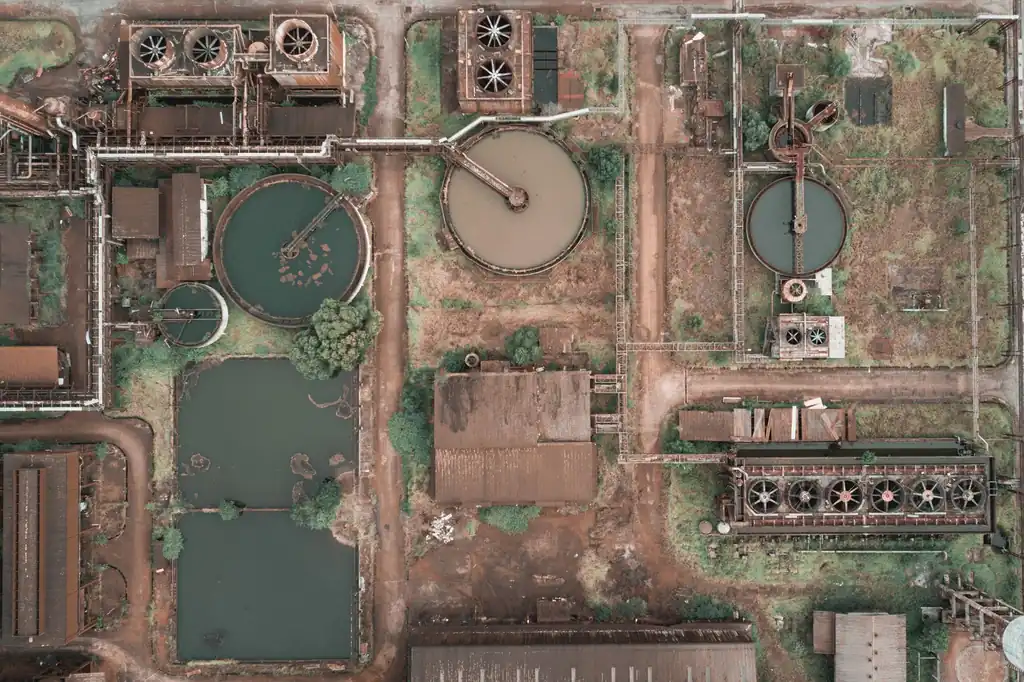
We stop the backup, extract the standing waste, and use a sewer camera to confirm the line is clear. If root intrusion or grease is the cause, we bring in a hydro-jetter or coordinate with a licensed plumber. Then we disinfect and dry the basement. Raw sewage pools across the basement floor, soaking into concrete, drywall and stored belongings. The longer it sits, the deeper the contamination and the higher the cleanup cost.
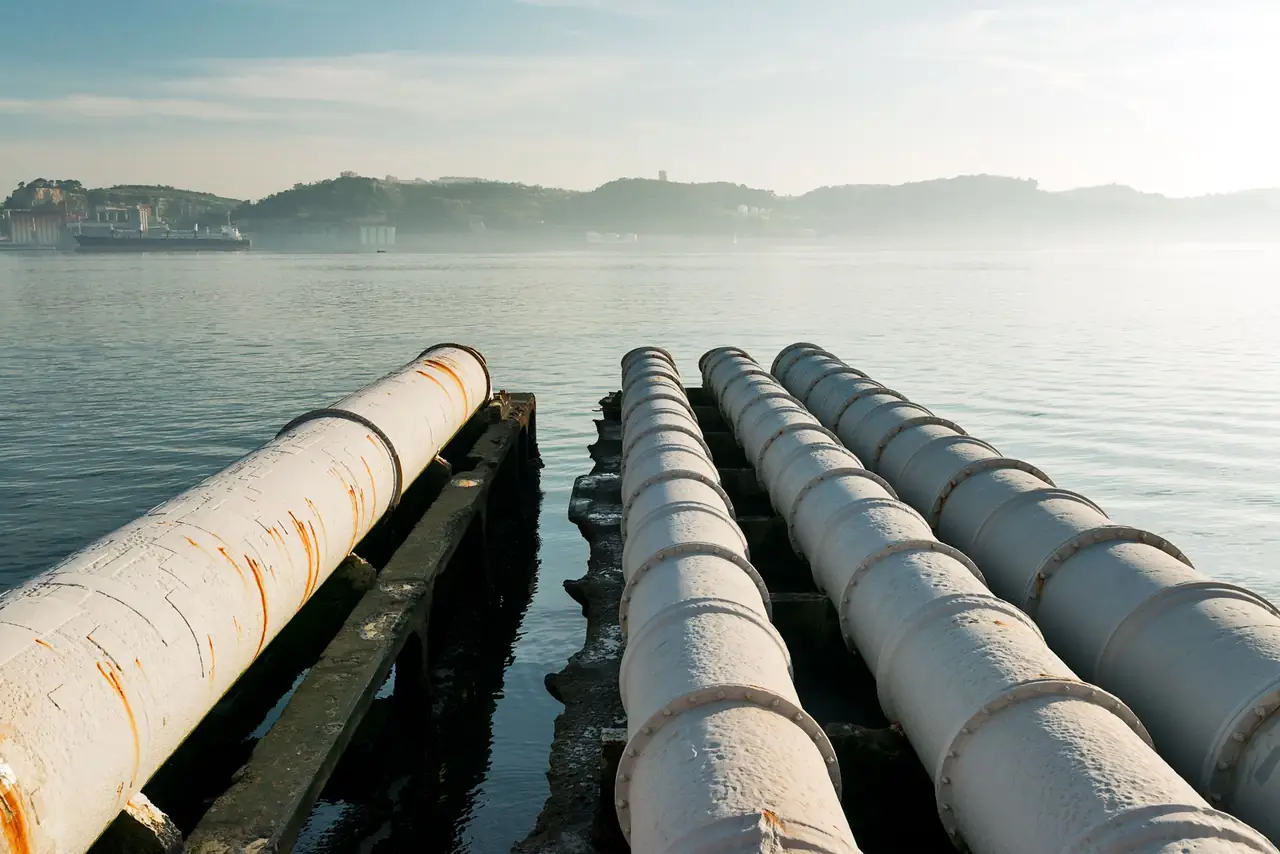
We pump the standing water, check the sump pit and discharge line, and recommend a replacement pump or battery backup. After extraction, we dry the slab and framing and treat any sewage-contaminated areas with antimicrobial solution. Water rises fast, often within minutes, and can reach electrical outlets and the furnace. A failed sump pump turns a minor seep into a full basement loss.
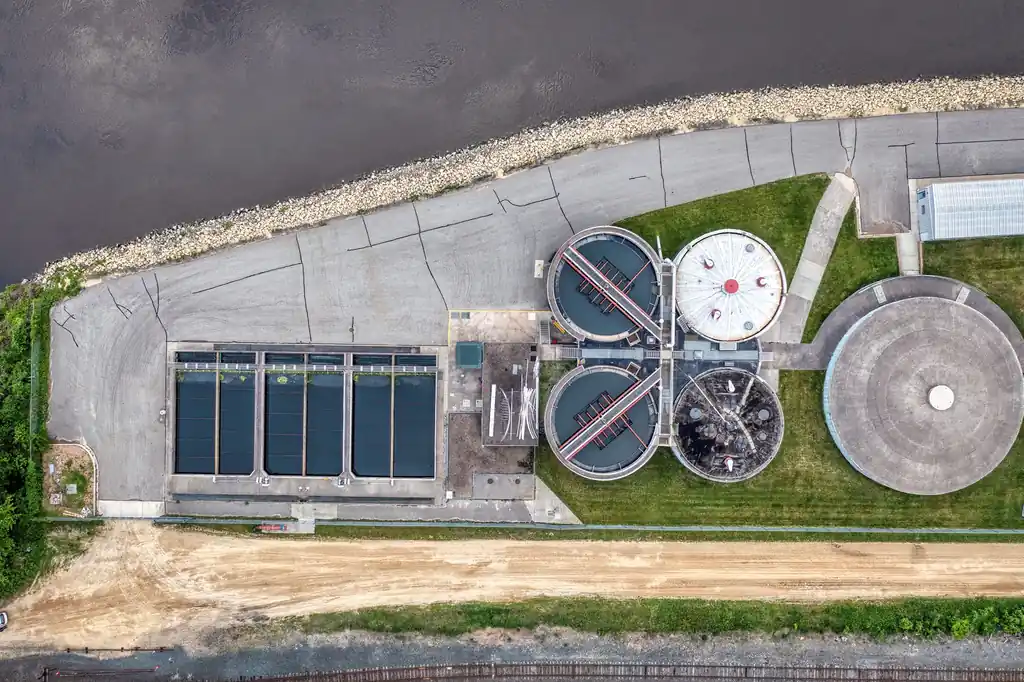
We use a sewer camera to locate the intrusion and a hydro-jetter to clear it. For repeat offenders, we document the pipe condition and connect you with a Macomb County plumber who can line or replace the lateral. Roots crack clay pipe, catch debris and cause repeat backups every few months. Each backup deposits more sewage into the same concrete and framing.
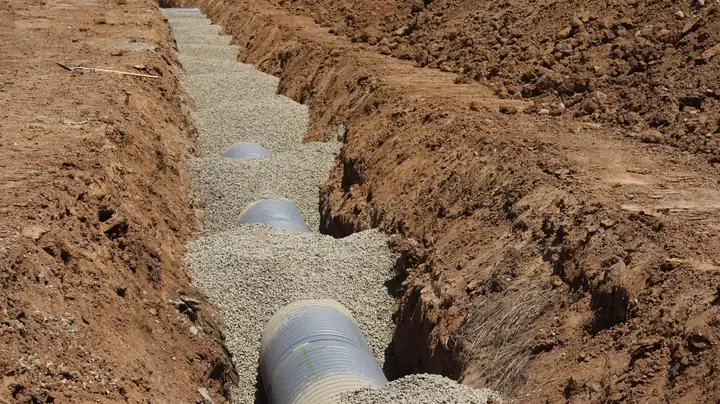
We set containment barrier and air scrubbers, remove affected drywall and insulation, and treat framing with antimicrobial solution. If the mold is extensive, we move into Contaminated Water mold Removal and document the scope for your insurer. Mold can start colonizing wet drywall in 24 to 48 hours. Once it takes hold, removal costs more and the air quality in your home suffers.
We run emergency basement sewage cleanup Roseville crews seven days a week. Most Roseville calls get a technician on-site within 60 to 90 minutes. That speed matters because mold can begin colonizing wet drywall in 24 to 48 hours, and the longer sewage sits, the deeper it wicks into concrete and framing.
We do not just pump water and leave. Our process includes solids removal, pressure washing of contaminated surfaces, application of antimicrobial solution, and a second disinfection pass after drying. That two-stage approach is what keeps foul odors from coming back three weeks later when the basement warms up.
We photograph every affected area, log moisture meter readings, and provide a written scope with equipment logs. Adjusters accept our paperwork because it matches IICRC drying standards. You get a clear record of what was damaged, what we removed, and what it took to dry the structure.
Sewage odor is not just smell, it is a sign of active contamination. We use air scrubbers with HEPA and carbon filtration, then treat framing and subfloor with antimicrobial solution. If mold growth after sewage exposure is already visible, we can move straight into Contaminated Water mold Removal under containment.
Clear records you can keep and share.
Photos, moisture logs and equipment records.
Final readings for every affected material.
Products used and areas treated.
Sewage is Category 3 water, which means it carries bacteria and viruses that regular drying will not fix. Porous materials that touched it have to be removed, not dried in place.
Sewage is the most contaminated water category. It soaks into concrete and drywall and leaves bacteria behind. Surface cleaning alone does not make the space safe.
Mold can start growing on wet drywall in 24 to 48 hours. That is why we remove saturated materials instead of trying to dry them. It is cheaper than mold remediation later.
A backwater valve on the floor drain stops city main surcharge from entering your basement. It is a small plumbing upgrade that prevents repeat backups during heavy rain.
Outside these areas? Call us and ask, we may still be able to help. +15863528402
Still wondering? +15863528402
Most residential jobs in Roseville run $1,800 to $6,500 in 2026, depending on square footage, how deep the sewage soaked in, and whether drywall or flooring has to be removed. A small utility-basement backup with concrete floors sits at the low end. A finished basement with carpet, pad and paneling pushes toward the top. We give you a written range before we start, and we document everything for your insurance claim.
Yes. We handle flooded basement sewage cleanup Roseville MI jobs every week, from small floor-drain backups to full losses after a sump pump failure. We pump the standing waste, remove contaminated materials, disinfect the structure, and dry it with air scrubbers and dehumidifiers. Sewage is Category 3 water, so we treat every affected surface as contaminated until it has been cleaned and verified.
Extraction and debris removal usually take two to four hours. Disinfection and drying run another three to five days, depending on how much sewage soaked into the slab and framing. We check moisture meter readings daily and do not remove equipment until the structure hits a dry standard. You get a daily update so you know exactly where the job stands.
No. Do not pump it yourself. Pumping a basement too fast can cause structural damage and spread contamination. We bring a truck-mounted extraction unit and pump hose rated for sewage and solids. If the backup is still active, we coordinate with the city or a plumber to stop the source first. Call us at +15863528402 and we will take it from there.
Sewage in your basement will not dry out on its own, and every hour raises the risk of mold and structural damage. Call Roseville Sewage Pros at +15863528402 for same-day extraction, disinfection and drying. We serve all of Roseville, MI and Macomb County.
Call us any time, day or night. A real person answers, asks what backed up and where, and dispatches a crew with the right equipment. Most Roseville calls get a technician on-site within 60 to 90 minutes. If you prefer email, send photos and your address to info@rosevillesewagepros.com and we will reply with next steps.