Written scope
Clear description of work before we start.
When a sewer line backs up into your basement, every hour counts. Our team delivers sewage damage restoration Roseville MI homeowners trust for fast, code-correct cleanup. We pull the contaminated water, disinfect every surface, and dry the structure so mold never gets a foothold. From the first call to the final moisture reading, we handle sewage damage repair in Roseville with the equipment and training this job demands.
Every job is different, but here is what a standard sewage damage restoration Roseville MI scope covers. If your situation needs more, we tell you before we start.
Sewage backups in Roseville homes usually start in the basement or a floor drain. We extract the water, remove what cannot be saved, and dry the structure.
Commercial sewage backups disrupt operations and can shut you down for days. We work around your schedule to extract, disinfect, and dry the space.
Sewage damage restoration Roseville MI is the process of removing contaminated water, disinfecting affected materials, and drying a structure after a sewer backup. It is not a mop-and-bucket job. Category 3 water carries bacteria, viruses, and parasites that soak into drywall, carpet, and framing within hours. We start with a sewer camera to find the blockage, then use truck-mounted extraction units and wet/dry vacuums to pull standing waste before it spreads further.
Roseville sits on a mix of older housing stock and mature trees, so root intrusion in sewer pipe and clogged main sewer lines are common calls. Heavy rain flooding overwhelms sump pumps in low-lying blocks, and a failed sump pump turns a finished basement into a biohazard zone overnight. If you search sewage damage repair near me Roseville Michigan after a backup, you need a crew that treats the job as a health hazard, not a plumbing nuisance.
Sewage cleanup is a health job first, a drying job second, and a rebuild job last.
Every job follows the same proven sequence, from the first phone call to the final walkthrough. Here is exactly what happens when you hire us.
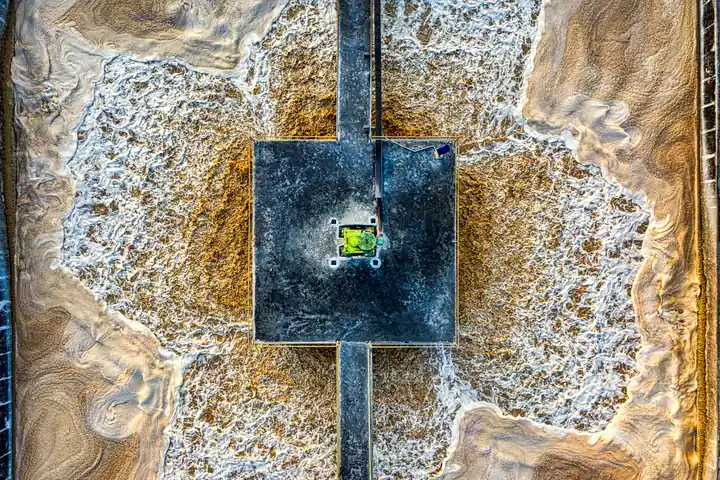
You call, we ask a few questions about the source and the affected area, and we dispatch a crew. We tell you to shut off the water if possible and stay out of the contaminated zone. A technician arrives with PPE, extraction gear, and containment supplies ready to work.
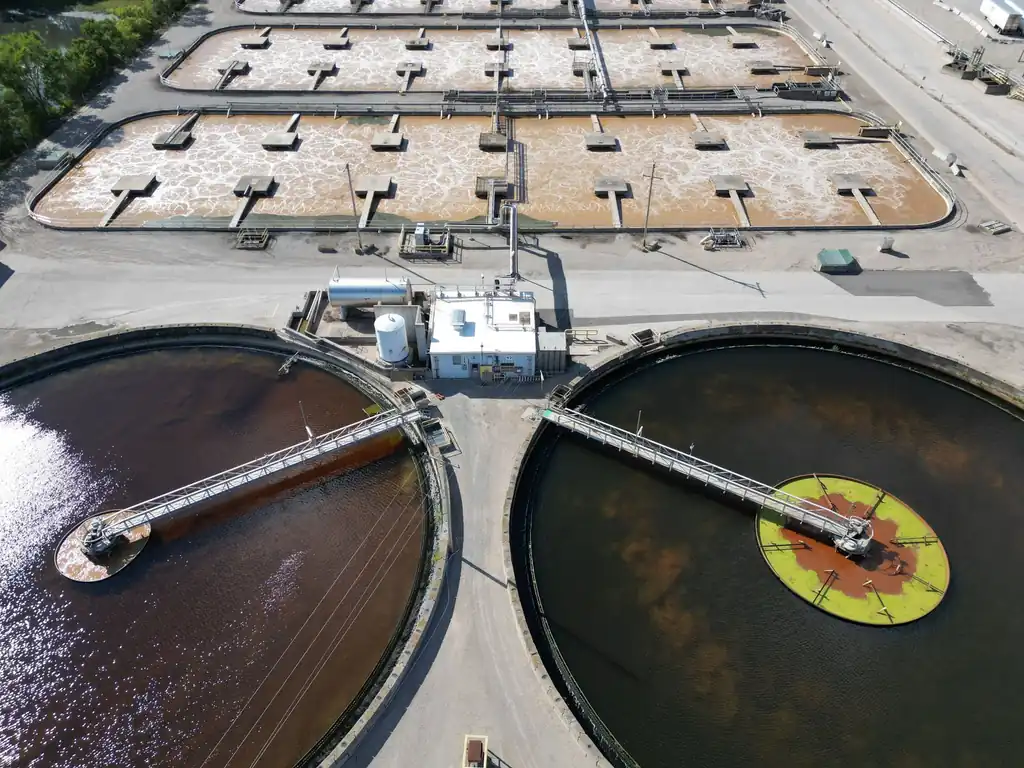
We inspect the damage with a moisture meter and thermal imaging camera to map how far the water traveled. A sewer camera confirms whether the backup came from a clogged main line or a failed sump pump. You get a clear explanation of what we found and what it will take to fix it.
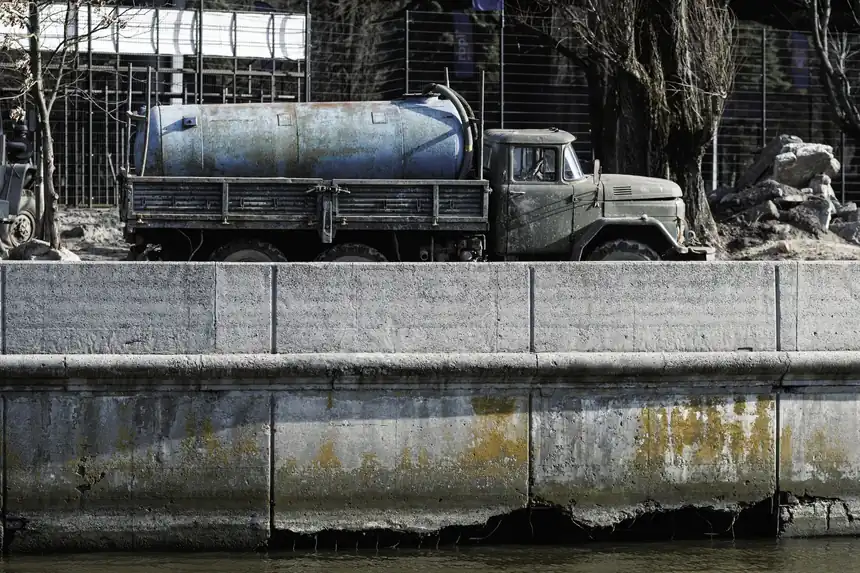
Truck-mounted extraction units and wet/dry vacuums pull standing sewage from the floor. We remove contaminated drywall, carpet, and padding that cannot be salvaged. A containment barrier goes up to keep dust and pathogens from spreading to clean areas of your home.
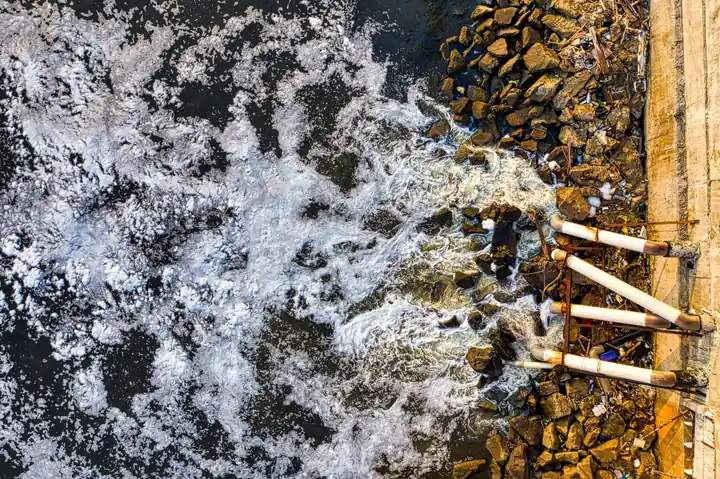
We apply disinfectant and antimicrobial solution to every affected surface. Air scrubbers and dehumidifiers run continuously, and we check moisture levels daily. Drying typically takes three to five days depending on how much material was saturated and how humid the weather is.
We take final moisture readings to confirm the structure is dry, then walk you through the completed work. You get documentation of the job for your insurance claim. If a backwater valve or sump pump upgrade would prevent a repeat, we tell you before we leave.
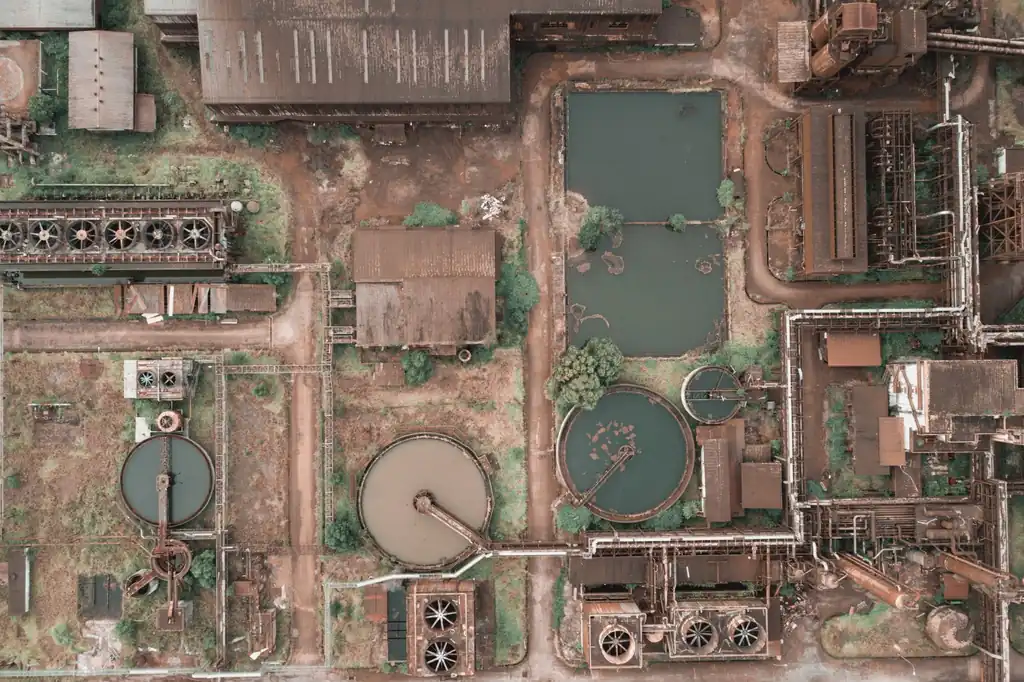
Pulls large volumes of standing sewage from floors and carpets fast. This is the first piece of equipment on the job and the one that stops the water from spreading.
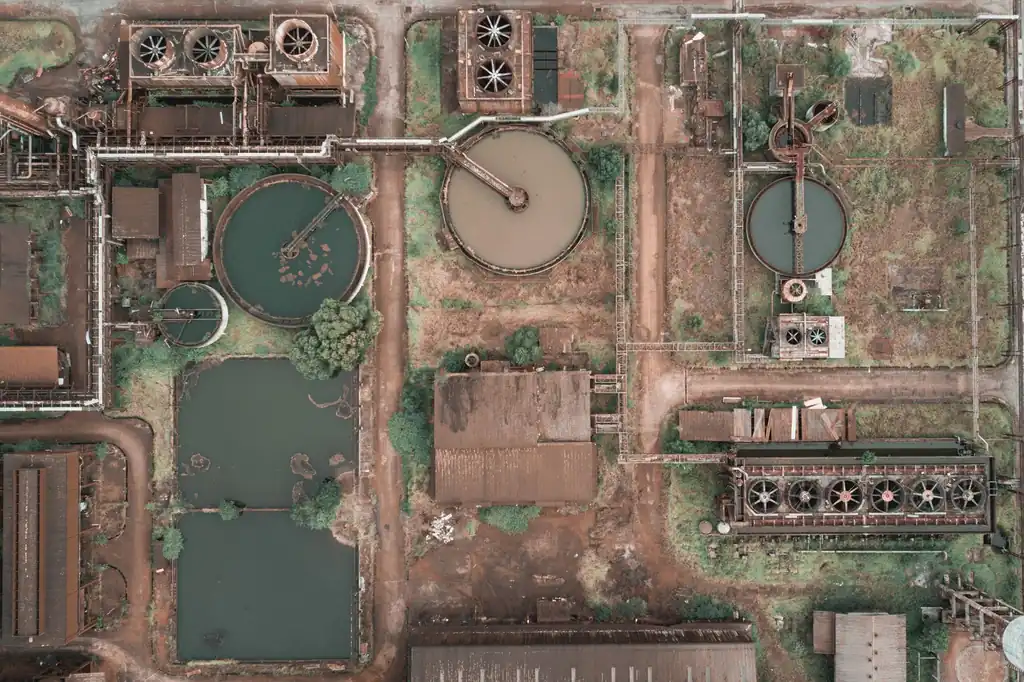
Lets us see inside the sewer line to find clogs, root intrusion, or broken pipe. Knowing the cause prevents the backup from repeating after cleanup.
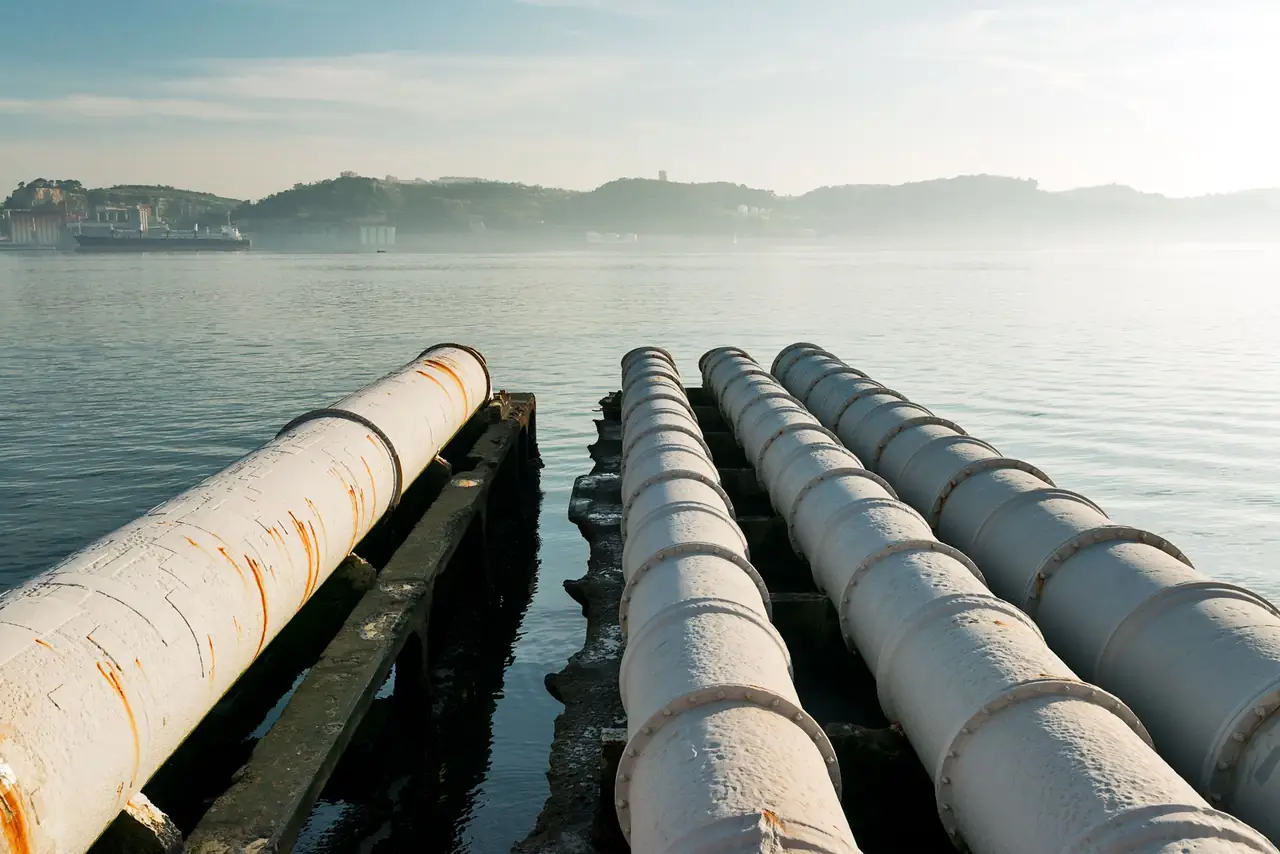
Filters airborne particles and odors during drying. We run these continuously in contained areas to protect indoor air quality while contaminated materials are removed.
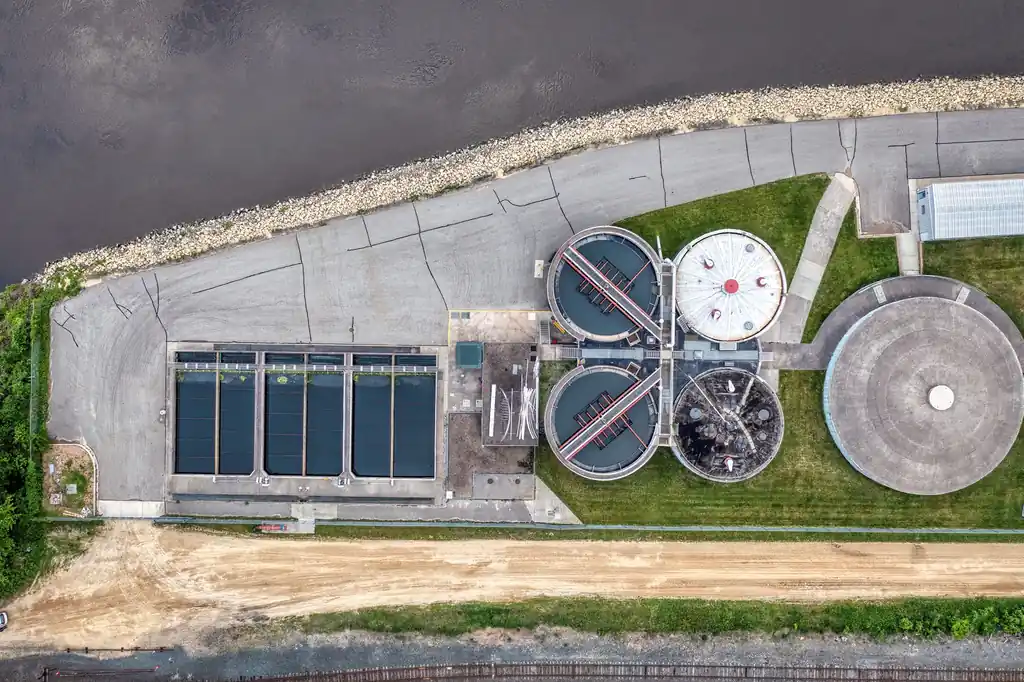
Removes moisture from the air so wet materials can dry. We use commercial-grade units and check them daily to keep the drying process on track.
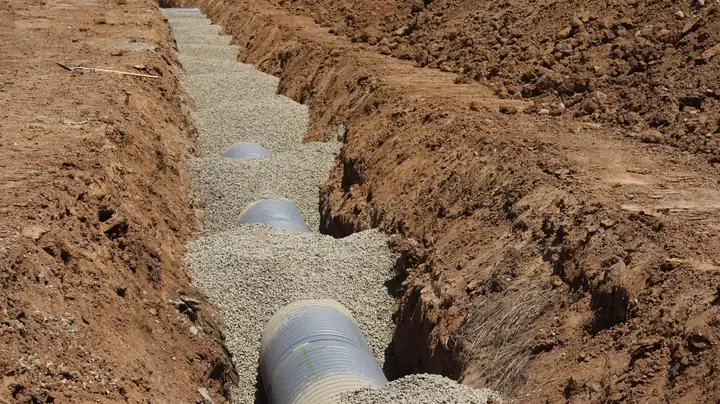
Measures moisture content in walls, floors, and framing. These readings tell us exactly when the structure is dry and when equipment can be removed.
Clears stubborn blockages in sewer lines using high-pressure water. We use it when snaking is not enough to open a clogged main line.
We follow the IICRC S500 standard for water damage restoration, which sets the drying goals and documentation requirements for contaminated water jobs. This is the industry benchmark that insurance adjusters recognize.
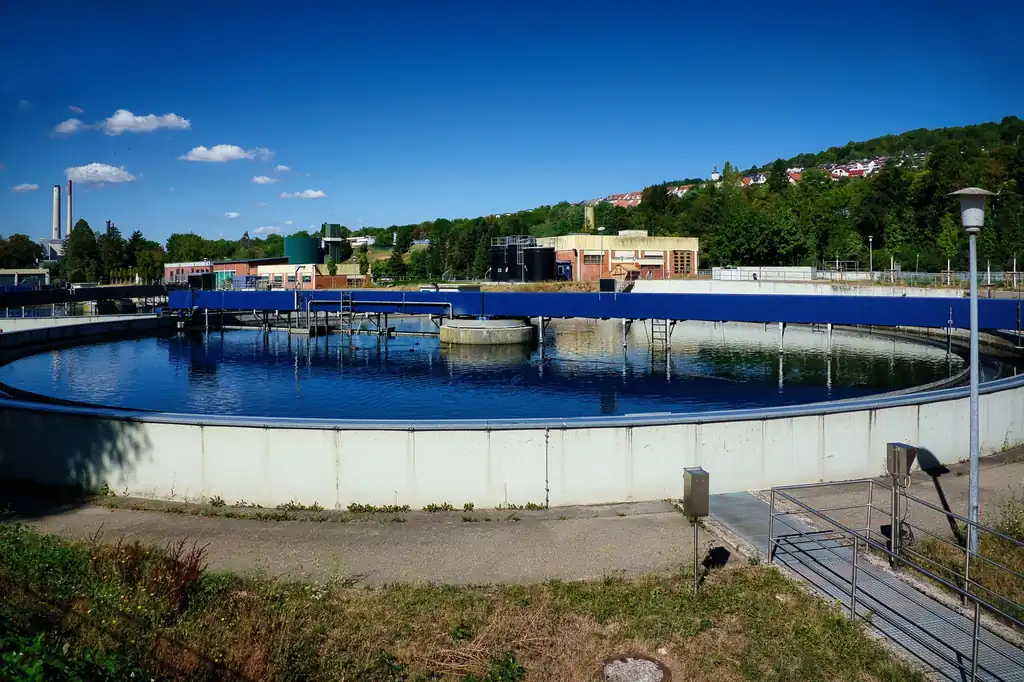
We set up plastic sheeting and containment barriers to isolate the work area. Air scrubbers create negative air pressure so dust and pathogens do not migrate into clean parts of your home.
We pump out the water, cut out soaked carpet and drywall, disinfect the framing, and run drying equipment until moisture readings hit dry standard. Your basement is dry, disinfected, and ready for new flooring. We document everything for your insurance claim.
We inspect with a sewer camera to find the blockage, clear the line, then extract and disinfect the affected area. If the floor drain needs a backwater valve, we install one. The odor is gone, the drain flows properly, and you have protection against the next backup.
We dispatch a crew immediately, contain the affected area, extract the water, and disinfect the space. We document the damage for the property owner's insurance. The mess is contained and cleaned up before it reaches other units. The tenant can stay in the property.
We treat it as a mold and sewage job: containment goes up first, then removal of contaminated materials, disinfection, and extended drying with air scrubbers. The mold is remediated, the structure is dry, and the space is safe to use again. We provide full documentation for your records.
Roseville's housing stock ranges from mid-century homes with clay sewer lines to newer subdivisions with PVC plumbing. That mix means we see different problems depending on where you live. Near Downtown Roseville and along Gratiot, root intrusion in sewer pipe is a frequent call because of mature trees and older lines. In the newer neighborhoods, sump pump failure during heavy spring rain is more common. We also handle sewage backup damage repair Roseville MI cost questions every week, and the answer always depends on how far the water traveled and what materials absorbed it. Winter adds another wrinkle: frozen pipes can crack and let sewage into a basement before you notice. If you need 24/7 sewage damage restoration Roseville Michigan, we answer the phone and dispatch a crew with the right equipment. Macomb County building codes require proper permitting for any structural rebuild after a sewage loss, and we handle that part of the process so your finished space meets code.
A sump pump failed during a spring storm, sending two inches of sewage across a finished basement. Carpet, padding, and the bottom two feet of drywall were saturated. The homeowner called us at 6 a.m. and we were on-site by 8 a.m.
We extracted the water, removed the ruined carpet and drywall, disinfected the framing, and dried the space in four days. New drywall and flooring were installed in the following week. The homeowner's insurance covered the full scope.
We installed a new sump pump with a battery backup and a backwater valve on the main line. The homeowner now tests the pump every spring before storm season.
Tree roots had cracked the main sewer line, causing repeated backups into a basement laundry room. The floor drain overflowed every time the washing machine ran. The homeowner had been dealing with it for weeks.
We ran a sewer camera, found the root intrusion, and cleared the line with a hydro-jetter. Then we removed the contaminated flooring, disinfected the area, and dried it out. The laundry room was back in service in five days.
We recommended a sewer camera inspection every 18 months to catch new root growth early. The homeowner also switched to a root-killing treatment for the line.
A homeowner returned from a two-week vacation to find a sewage backup that had been sitting since the first day. Mold was visible on the lower walls, and the smell was overpowering. The damage had spread into an adjacent hallway.
We set up containment, removed the moldy drywall and insulation, treated the framing with antimicrobial solution, and ran air scrubbers and dehumidifiers for six days. Final moisture readings confirmed the structure was dry. The space was rebuilt and returned to use.
We advised the homeowner to shut off the main water valve before any future trips and to have a neighbor check the basement weekly. A water alarm on the floor drain adds another layer of protection.
Most Roseville sewage calls fall into a handful of categories. Here is what we see and how we fix it.

We extract the water, remove contaminated materials, disinfect the space, and dry it out. If a failed sump pump caused the backup, we can recommend an upgrade before we leave. Standing waste water soaks into drywall and flooring within hours, creating a biohazard and setting up mold growth.
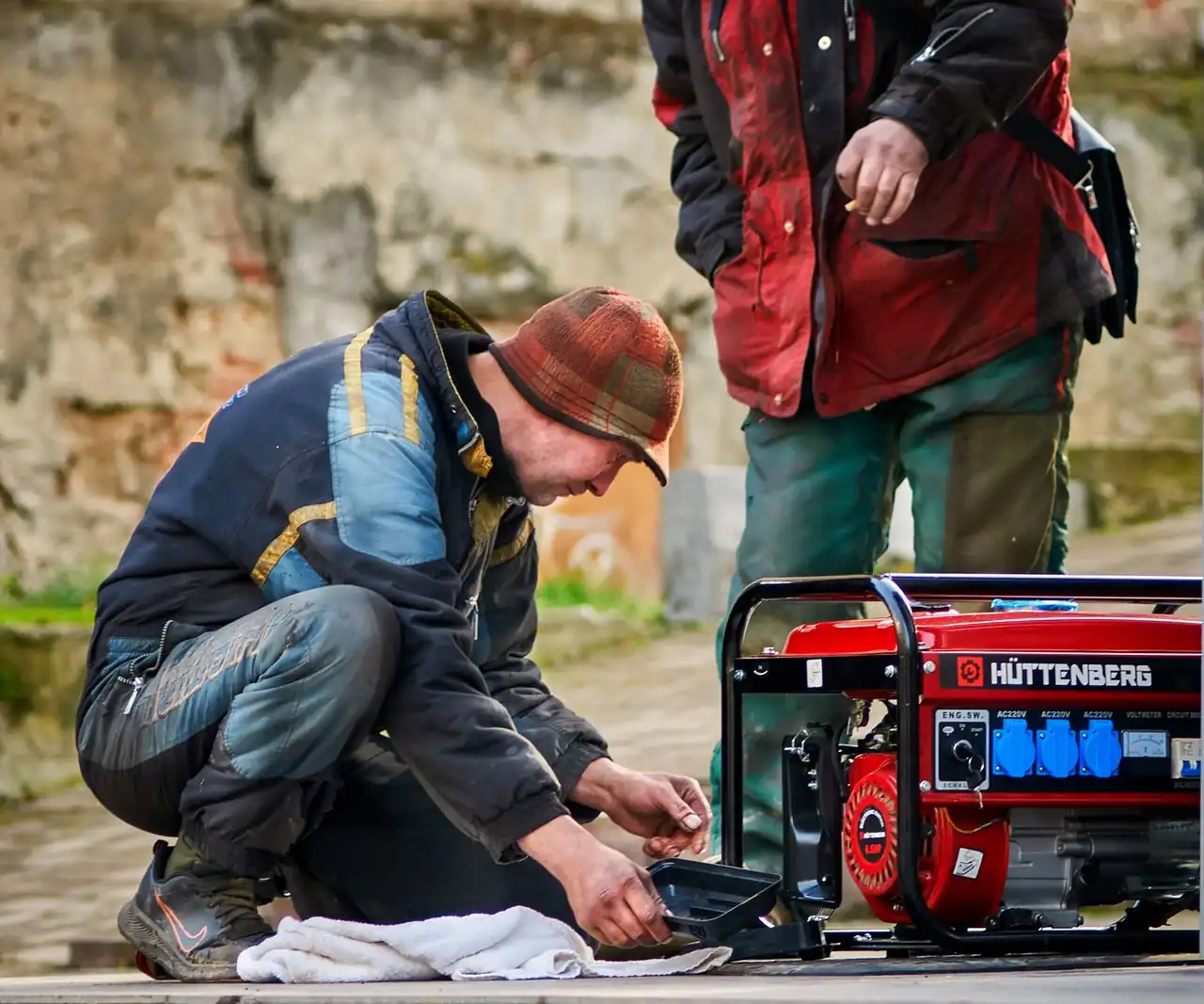
We run a sewer camera to find the blockage, then clear it with a hydro-jetter if needed. Once the line is open, we handle the cleanup and disinfection inside your home. Every flush or load of laundry pushes more water into your basement. The problem gets worse until the line is cleared.
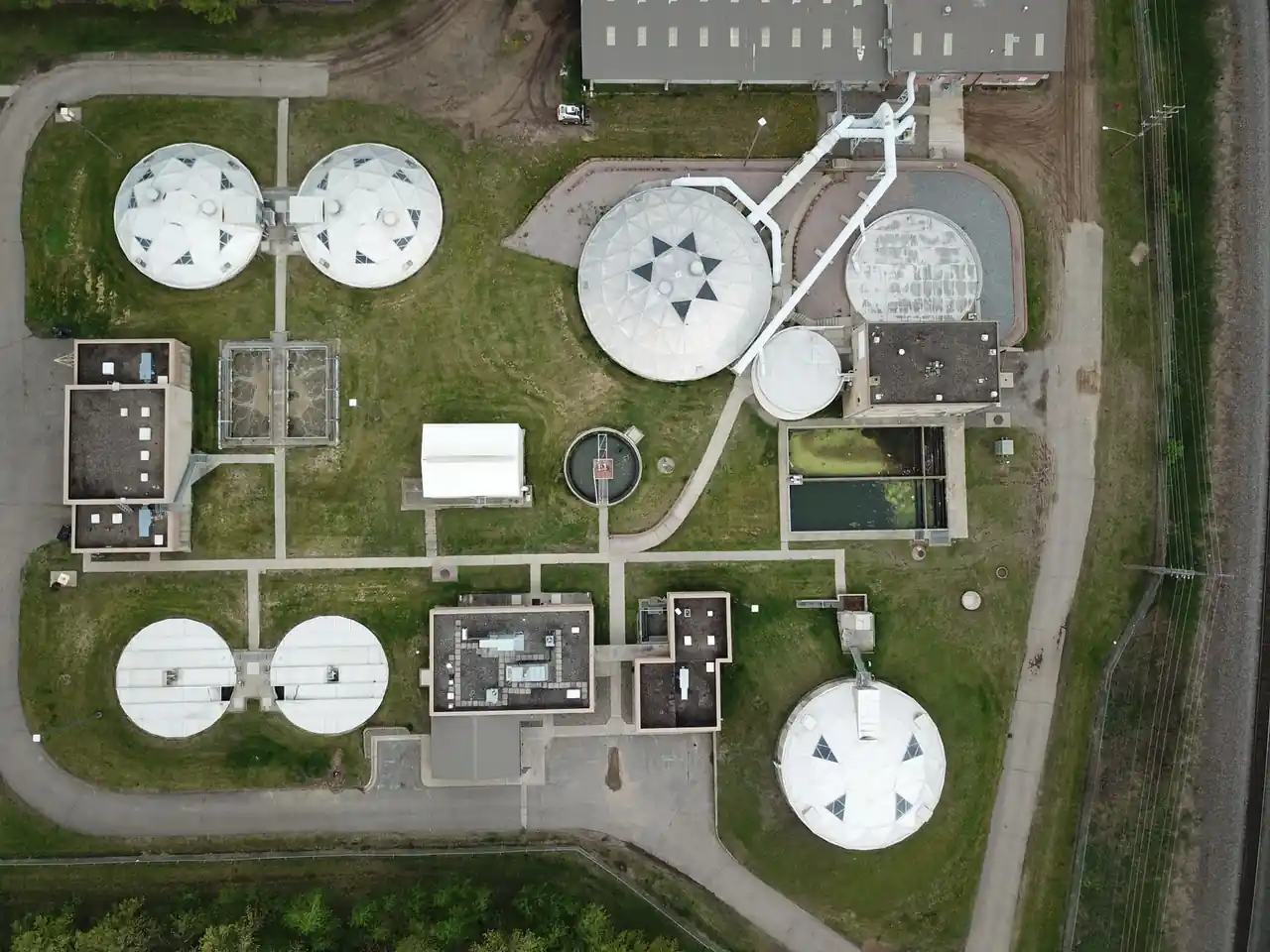
We identify the intrusion with a sewer camera and clear the line. After cleanup, we can advise on pipe lining or replacement to stop the problem from returning. Tree roots crack and block clay sewer lines, causing slow drains and eventual backups. Roseville's older neighborhoods see this often.
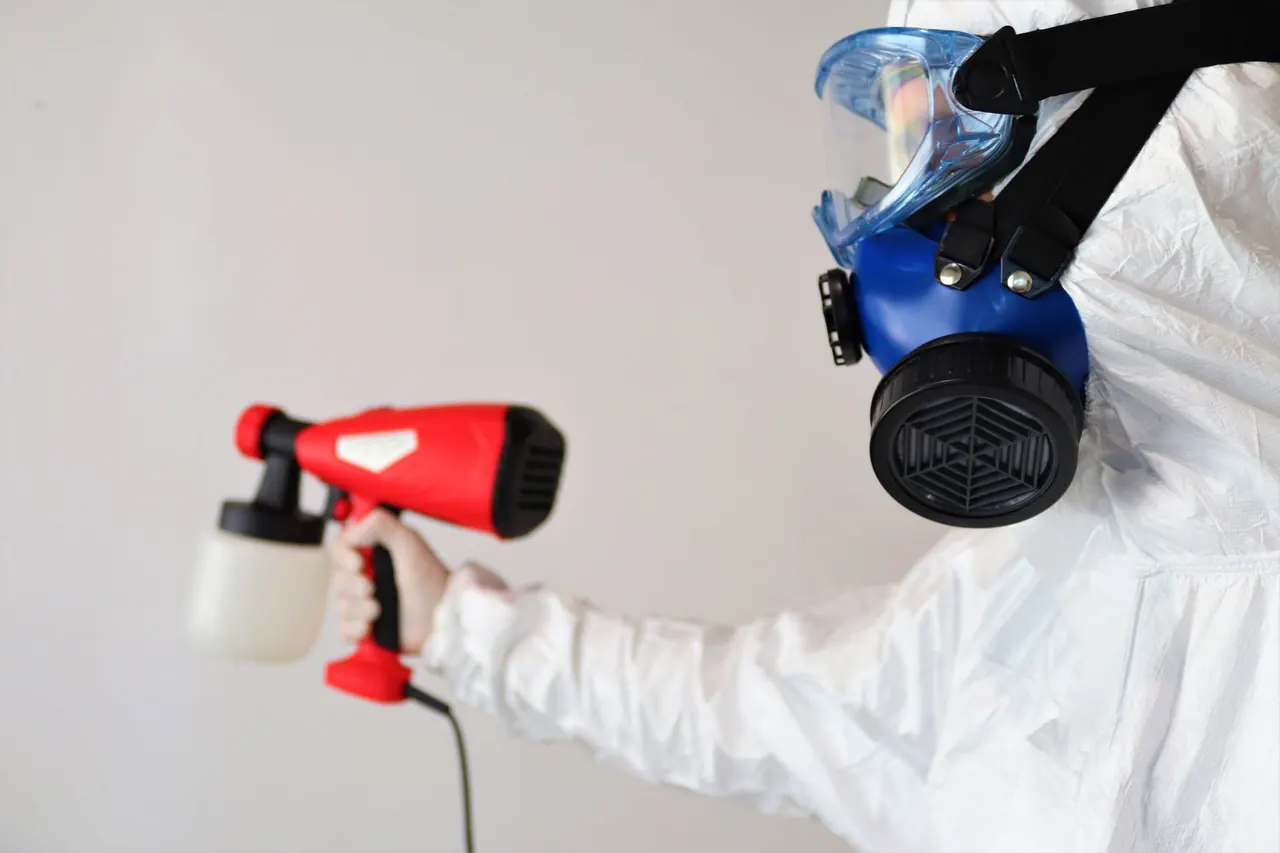
We remove moldy materials, treat surfaces with antimicrobial solution, and set up containment to keep spores from spreading. Drying equipment runs until moisture readings confirm the space is dry. Mold can start growing on wet materials within 24 to 48 hours. Sewage-fed mold is a health risk, especially for kids and anyone with respiratory issues.
We answer calls around the clock and roll trucks to Roseville addresses within hours, not days. That speed matters because mold growth after sewage exposure can start in 24 to 48 hours. Our technicians arrive with extraction equipment already loaded, so the drying process begins on the first visit.
Every surface touched by sewage gets treated with an antimicrobial solution after extraction. We remove contaminated drywall and flooring that cannot be saved, then apply disinfectant to the framing and subfloor. This is the step that separates real sewage damage restoration Roseville MI work from a shop-vac cleanup.
Our crew holds IICRC WRT and ASD credentials, which means they know how to set up air scrubbers, dehumidifiers, and containment barriers correctly. We take moisture meter and thermal imaging camera readings daily and adjust equipment until the structure hits dry standard. You get documentation, not guesswork.
Most homeowners policies cover sudden sewage backup damage, and we work directly with your adjuster. We photograph affected materials, log moisture readings, and provide the scope documentation your carrier needs. That shortens the claim process and gets your basement back to normal faster.
Clear records you can keep and share.
Clear description of work before we start.
Daily readings showing drying progress.
Images of affected areas for your insurance claim.
Sewage is classified as Category 3 water, which means it is contaminated and requires more than drying. Porous materials that absorb it usually have to be removed.
Sewage carries bacteria and viruses that soak into drywall and carpet. These materials cannot be disinfected and must be removed. Replacing them is part of the job, not an upsell.
Mold can start growing on wet surfaces within 24 to 48 hours. That is why we begin drying on the first visit. Waiting even a day can turn a cleanup into a mold remediation.
A backwater valve on the main sewer line prevents municipal backups from entering your basement. It is a small upgrade that can save you thousands in future damage.
Outside these areas? Call us and ask, we may still be able to help. +15863528402
Most residential sewage backup jobs in Roseville run $1,800 to $6,500 depending on how far the water spread and how much material has to be removed. A small basement backup with minimal drywall damage sits at the low end. A finished basement with carpet, padding, and soaked framing pushes toward the higher figure. We give you a written scope before work starts so you know the number up front.
In most cases, yes, if the backup was sudden and accidental. Standard Michigan homeowners policies often cover sewage backup damage, though some require a rider. We document the damage with photos and moisture readings, then work directly with your adjuster. If your policy excludes backup coverage, we can still do the work and give you the paperwork you need for a claim.
Extraction and disinfection usually take one day. Drying takes three to five days on average, and we check moisture readings daily until the structure hits dry standard. If we have to remove and replace drywall or flooring, add two to four days for the rebuild. Most Roseville jobs are fully finished within one to two weeks from the first call.
Yes. We handle the full scope, from emergency extraction through disinfection, drying, and reconstruction. That includes removing contaminated drywall and flooring, treating framing with antimicrobial solution, and rebuilding the affected area. You get one crew and one point of contact instead of coordinating a cleaner, a drywall guy, and a floor installer separately.
Sewage in your home is a health hazard, and it gets worse by the hour. Our Roseville crew is ready to extract, disinfect, and dry your space so you can get back to normal. Call us and we will give you a straight answer on what the job takes.
Call us any time, day or night. A real person answers, asks what backed up and where, and dispatches a crew with the right equipment. Most Roseville calls get a technician on-site within 60 to 90 minutes. If you prefer email, send photos and your address to info@rosevillesewagepros.com and we will reply with next steps.