Written scope
Materials removed and areas treated
When a sewer line backs up into your basement, contaminated water mold removal Roseville MI is not a job you can wait on. Sewage carries bacteria that feed mold within 24 to 48 hours, and Roseville's older housing stock gives it plenty of wet drywall and carpet to grow on. We pull the water, remove the soaked materials, and treat every surface so the smell and the spores are gone. Call +1 586-352-8402 and we will be on the way.
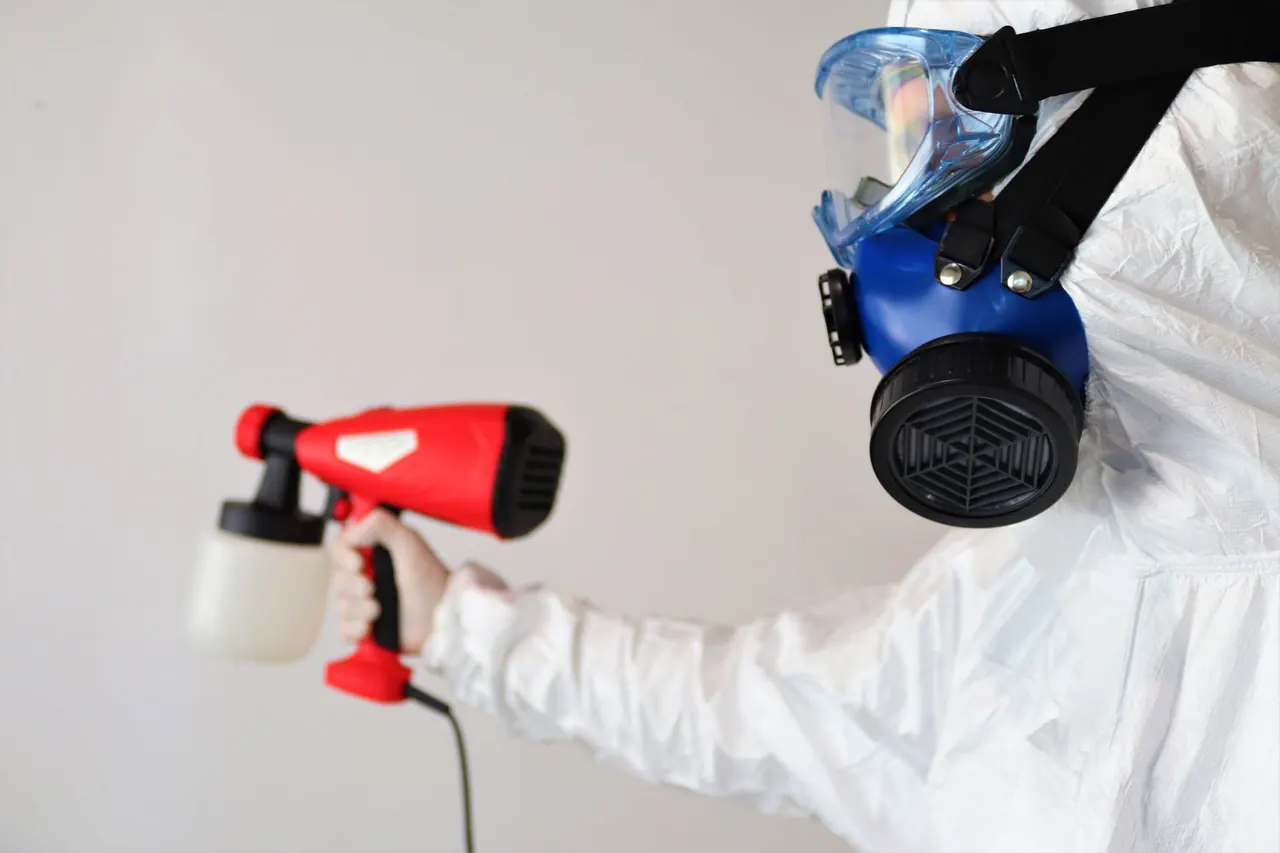
Every job starts with the same core scope: find the wet zone, remove what cannot be saved, dry the structure, and treat the surfaces. Rebuild and specialty testing are add-ons we quote separately so you can decide what you need.
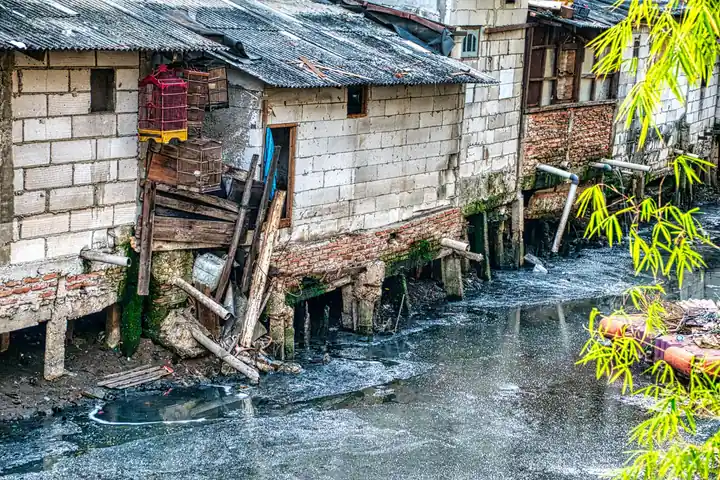
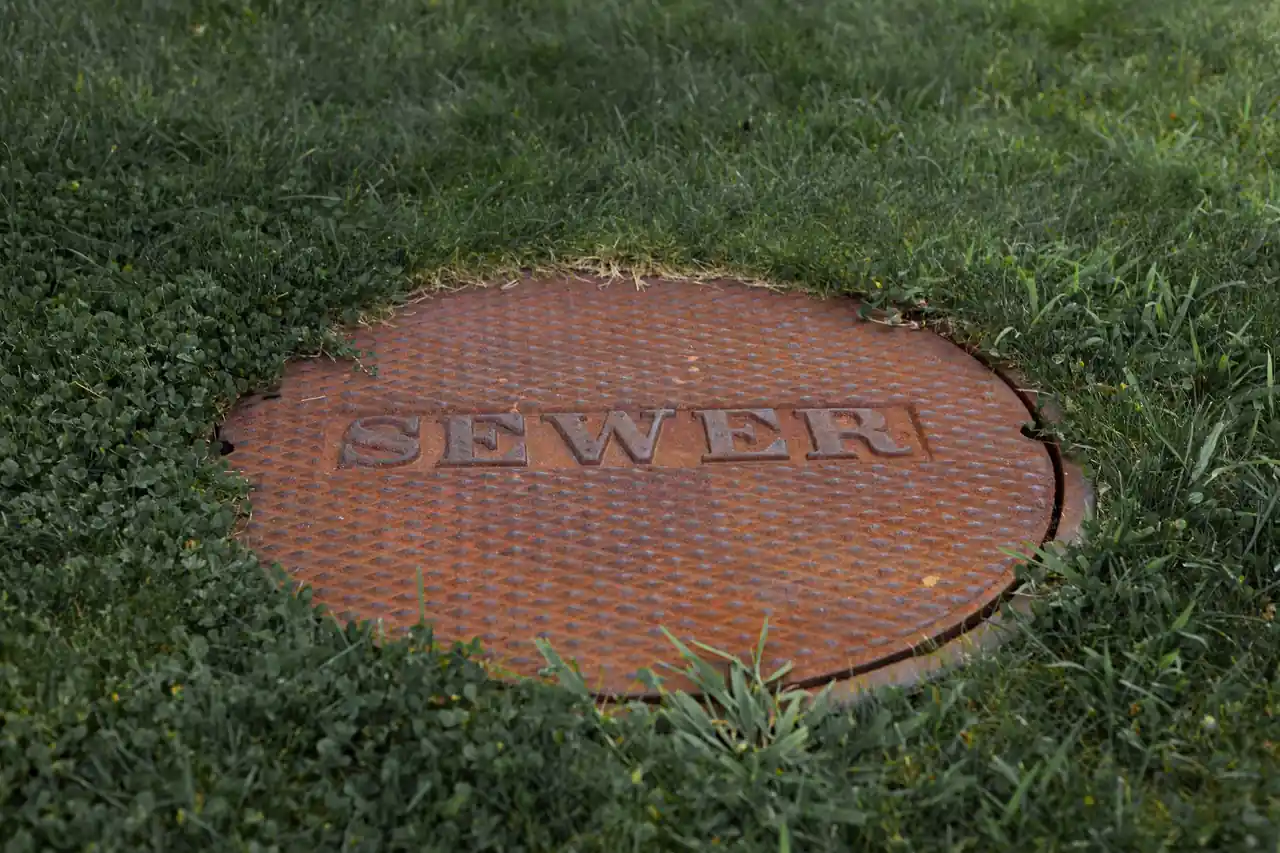
We handle basement backups, laundry room floods, and sump pump failures in houses across Roseville. You get the wet materials out, the framing dried, and the treated surfaces documented.
We work with property managers, landlords, and small business owners on sewage-related mold jobs. The scope is documented so you can file a claim and show tenants what was done.
contaminated water mold removal Roseville MI is a category of emergency restoration work that removes mold growth caused by sewage-contaminated water and restores the structure to a dry, sanitary condition. It starts with stopping the source, extracting standing water with a truck-mounted extraction unit, and cutting out porous materials that cannot be saved. From there we set containment barriers, run air scrubbers and dehumidifiers, and treat framing with an antimicrobial solution. Every step follows IICRC WRT, ASD, and AMRT standards so the job is done to a documented, verifiable finish.
Roseville sits in Macomb County where heavy rain and aging clay sewer laterals push water back into basements through floor drains and laundry tubs. If you have had a sewage backup in basement, you already know the smell. What you may not know is that mold growth after sewage exposure can start on the back of drywall within a day. That is why we treat sewage mold remediation Roseville MI as a same-day priority, not a next-week appointment. A moisture meter and thermal imaging camera tell us exactly how far the wet zone reaches.
Sewage mold is a moisture problem first and a cleaning problem second.
Five steps, no mystery. Here is exactly what happens from the first phone call to the final moisture reading.
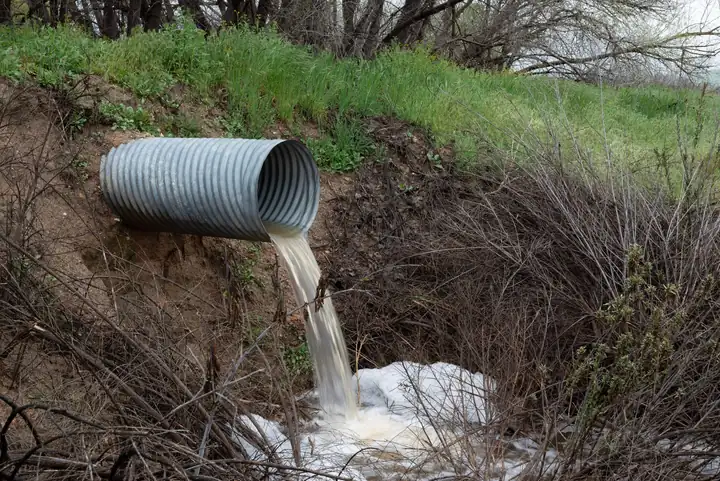
You call +1 586-352-8402 and describe what backed up and where. We ask about the source, how long the water sat, and whether the basement is finished. That tells us what equipment to load. We give you a realistic arrival window and tell you to keep people and pets out of the affected area.
On arrival we run a moisture meter and thermal imaging camera across the floor, baseboards, and lower drywall. A sewer camera checks whether root intrusion in sewer pipe or a collapsed lateral caused the backup. We mark the wet zone with tape so you can see the boundary. This takes 20 to 40 minutes on a typical Roseville basement.
A truck-mounted extraction unit pulls standing sewage water fast. Then we cut out carpet, pad, and any drywall that has absorbed contaminated water, usually 12 to 24 inches above the visible waterline. Everything goes into sealed bags. We set up a containment barrier so spores do not travel to the rest of the house while we work.
Air scrubbers, dehumidifiers, and high-velocity air movers run until the framing reads dry on a moisture meter, typically three to five days. We apply an antimicrobial solution to the framing and concrete. If the sump pump failure caused the backup, we check the pit and discharge line before we leave.
We take final moisture readings and photograph them next to the original numbers. You get a written summary of what was removed, what was treated, and what the readings were. If you need rebuild, we tell you what the next trade is and what to expect. No surprise line items.
Pulls hundreds of gallons of sewage water from the floor fast. Speed here directly limits how far the mold zone spreads.
Run continuously for three to five days to pull moisture out of framing, concrete, and air. We monitor with a moisture meter until the structure reads dry.
Capture airborne mold spores and bacteria during demolition and drying. They run inside the containment barrier to protect the rest of the house.
Find hidden wet zones behind drywall and under flooring. These readings define the scope and prove the structure is dry at the end.
Confirm the cause of the backup, such as root intrusion in sewer pipe or a clogged main sewer line, and clear the line before we close up.
Detail-clean corners, floor drains, and sump pits after the bulk extraction is done. Small spots hold enough moisture to restart mold.
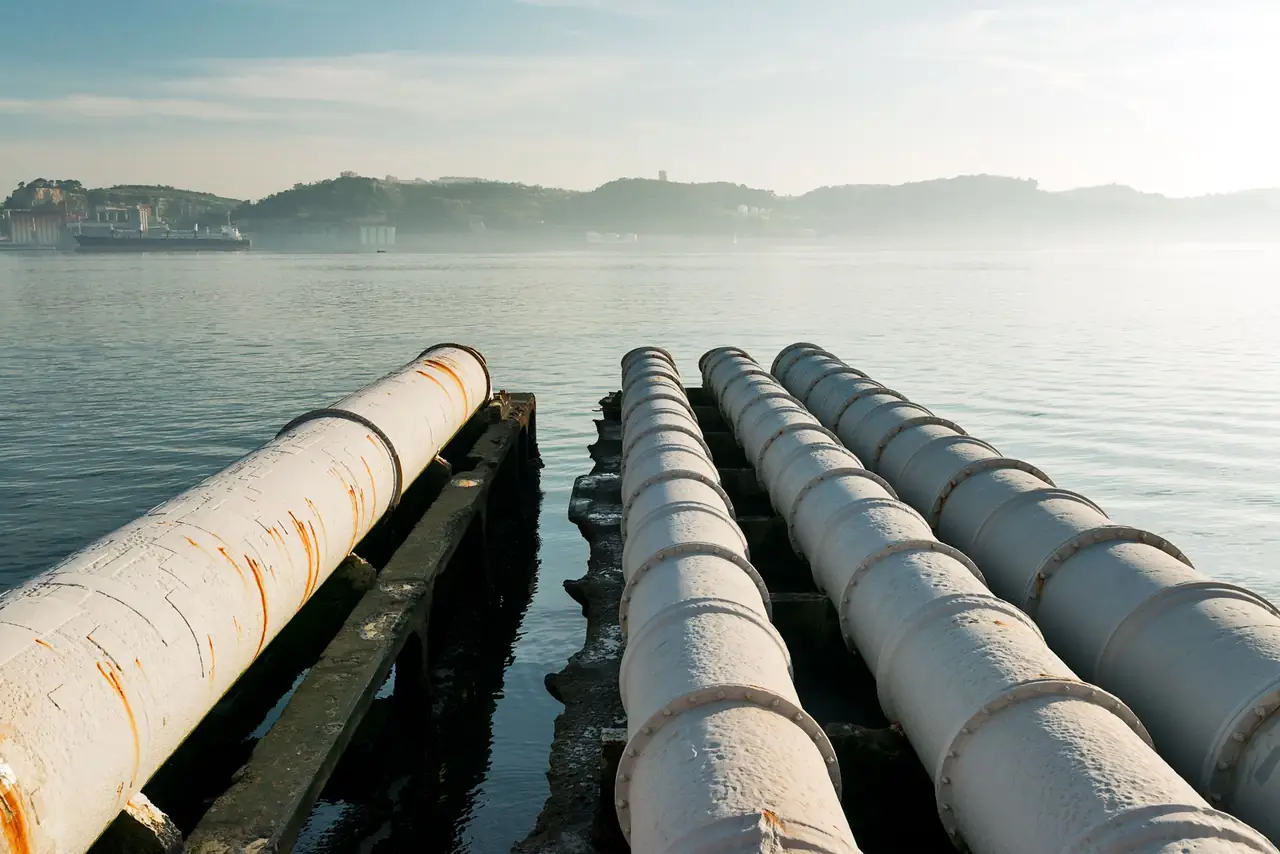
We follow the standard for water damage restoration and structural drying: map the wet zone, remove unsalvageable materials, and dry with calibrated equipment until moisture content drops below 15 percent. Readings are recorded at the start and end of the job.
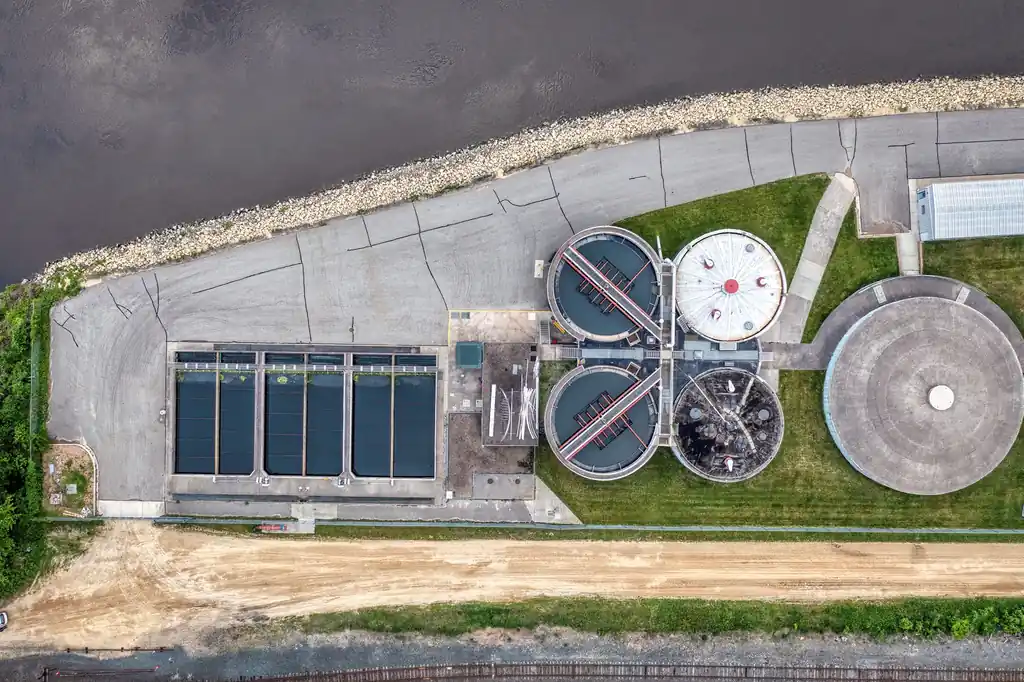
Mold work follows the applied microbial remediation standard: containment barriers, negative air pressure, HEPA filtration, removal of contaminated materials, and antimicrobial treatment of the remaining structure. This is the method that keeps spores from spreading during demolition.
We extract the standing water, cut out the wet carpet and lower drywall, set containment, and run dehumidifiers and air scrubbers for three to five days. We also check the backwater valve and floor drain for debris. The basement is dry, the mold is removed, and the drain flows freely. You get moisture readings showing the framing is back to normal.
A sewer camera confirms the blockage, and we scope the mold work to the wet wall. We remove the saturated drywall, treat the framing, and dry the cavity. If the lateral needs hydro-jetting, we coordinate that before rebuild. The mold is gone and the drain is clear. You avoid a repeat backup the next time it rains hard.
We pull the carpet and pad, extract the slab, and treat the concrete and lower drywall with an antimicrobial solution. A moisture meter tracks the slab until it reads dry. We test the sump pit and discharge line before we leave. No mold growth on the framing, no sewer odor, and a working sump pump. The basement is ready for new flooring.
We map the wet zone with a thermal imaging camera, remove the moldy drywall and insulation, and treat the framing. If the source was a slow leak, we trace it with a moisture meter before closing up. The cavity is clean, dry, and documented. You know what was removed and what the final readings were before you finish the room.
Roseville's housing stock was largely built in the 1950s and 1960s, which means block foundations, shallow basements, and clay sewer laterals that have been in the ground for decades. When heavy rain hits Macomb County, the city main can surcharge and water pushes back through floor drains and laundry tubs. That is the most common call we get. The second most common is a sump pump failure during a spring storm, often on a pump that has not been tested in years. Both scenarios soak the same materials: carpet, pad, and the lower 12 to 24 inches of drywall. Because the water is Category 3, we treat it as contaminated from the start and remove porous materials rather than trying to dry them. If you search for mold removal after sewage backup Roseville MI cost, the honest answer is that the price tracks how much material has to come out, not how big the room is. A bare concrete floor with a floor drain is a much smaller job than a finished basement with a drop ceiling. We also check the backwater valve on every job, because a stuck valve is the reason the same basement floods twice. Winter adds a wrinkle: frozen discharge lines and ice-blocked sump pits cause backups in January and February when nobody expects them.
A storm surcharged the city main and sewage backed up through the floor drain. Carpet and pad were soaked, and black mold had started on the lower 18 inches of drywall. The basement smelled like a sewer.
We extracted the water, removed 22 linear feet of drywall and the carpet, and ran dehumidifiers for four days. Final moisture readings in the framing were under 15 percent. The odor was gone and the cavity was clean.
Test the backwater valve each spring and keep the floor drain clear. If the drain gurgles during rain, call before the next storm.
A root in the clay lateral caused the laundry standpipe to back up, soaking the wall behind the washer. Mold was visible on the drywall paper and the baseboard was swollen.
We ran a sewer camera, confirmed the root, and hydro-jetted the line. Then we removed the wet drywall, treated the framing, and dried the cavity in three days. The wall tested dry before rebuild.
Have the lateral jetted every 18 to 24 months if you have mature trees near the line. A sewer camera check is cheap insurance.
The sump pump failed during a spring storm and water sat on the carpet for two days. The pad was saturated and mold was starting along the baseboard in two rooms.
We pulled the carpet and pad, extracted the slab, and treated the concrete and lower drywall. Drying took five days. We replaced the pump and tested the discharge line before finishing.
Pour a bucket of water into the sump pit every few months to confirm the pump kicks on. Replace the pump every seven to ten years.
Sewage backups create three problems at once: water, bacteria, and mold. Here is how we handle each one in a Roseville basement.
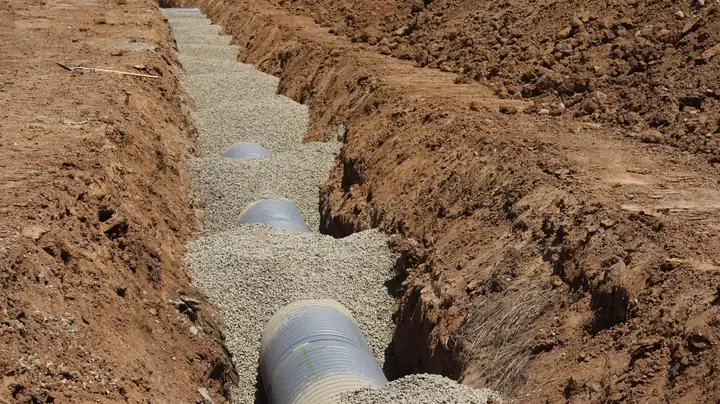
We cut out the affected drywall, treat the framing with an antimicrobial solution, and dry the cavity below 15 percent moisture content. Straight cut lines and photo documentation make the repair simple for your drywall contractor. Mold releases spores that trigger allergies and asthma, and it eats the paper facing on drywall until the board crumbles. Left alone, it spreads into wall cavities and ceiling tiles.
We remove the soaked materials and treat every exposed surface with an antimicrobial solution. Air scrubbers run during the job to capture airborne particles. Customers notice the difference within a day of treatment. The smell comes from bacteria in the sewage that soaked into porous materials. Surface cleaning does not reach it, so the odor comes back as soon as the humidity rises.
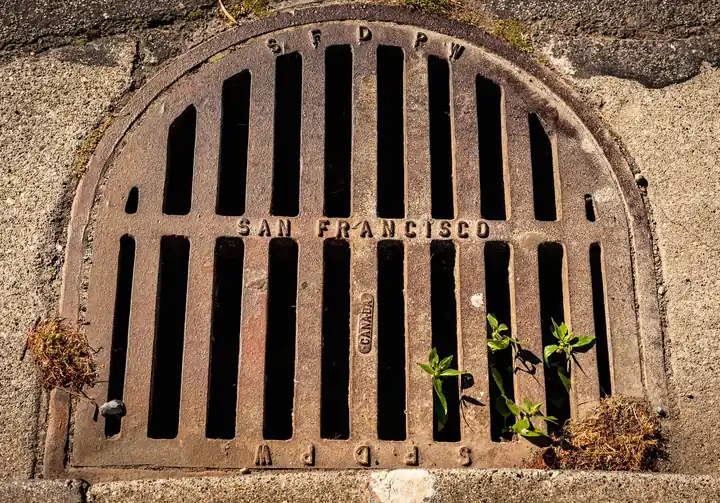
We run a sewer camera to check for root intrusion in sewer pipe or a collapsed lateral, and we test the sump pump and backwater valve. If the line needs hydro-jetting or repair, we tell you before we finish the mold scope. If the source is not fixed, the next heavy rain floods the basement again and undoes the mold work. Roseville's clay laterals and aging sump pumps are common culprits.
We photograph moisture readings, cut lines, and removed materials before disposal. You get a written scope with numbers. That file gives your adjuster what they need to process the claim. Adjusters want proof of the wet zone and the removed materials. Without photos and readings, claims get delayed or denied, and you pay out of pocket.
We do not just spray the visible black mold. We find the wet drywall, insulation, and subfloor feeding it, remove those materials, and dry the framing below 15 percent moisture content. That is what stops black mold remediation Roseville MI from becoming a repeat job six weeks later.
Foul odors after a backup come from bacteria in the sewage, not from the mold alone. We apply an antimicrobial solution to every affected cavity and run air scrubbers with HEPA filtration. Customers in Roseville tell us the basement smells like a basement again, not like a sewer.
We photograph moisture readings, cut lines, and removed materials before anything goes to the dumpster. That file supports your claim and shows the adjuster exactly why the drywall had to come out. It also gives you a record of the work if you sell the house.
Mold doubles its affected area roughly every 24 to 48 hours when the material stays wet. We schedule contaminated water mold removal in Roseville MI 48066 as an emergency call, so extraction and containment start the same day you reach us. Call +1 586-352-8402.
Clear records you can keep and share.
Materials removed and areas treated
Before and after numbers in the framing
Cut lines and removed materials for claims
Sewage water is contaminated, so the materials it soaks cannot be cleaned and reused. The work is removal, drying, and treatment, in that order.
Carpet, pad, and drywall absorb sewage and cannot be disinfected. We cut them out and bag them. Hard surfaces like concrete and framing can be dried and treated.
Mold can start on wet drywall within a day or two. The faster the water is extracted and the materials removed, the smaller the mold zone becomes. Waiting rarely saves money.
We use a moisture meter and thermal imaging camera to find hidden wet zones. The job is not done until the framing reads dry, not when the floor looks dry.

Outside these areas? Call us and ask, we may still be able to help. +15863528402
Most Roseville jobs run $1,800 to $6,500 depending on how much drywall and flooring has to come out. A small utility-room backup with a concrete floor sits near the low end. A finished basement with carpet, pad, and moldy drywall pushes toward the high end. Extraction, containment, drying equipment, and antimicrobial treatment are included in that range. Rebuild is separate. Call +1 586-352-8402 for a same-day look.
Yes, and it usually starts within 24 to 48 hours. Sewage is Category 3 water, meaning it carries bacteria and organic matter that mold feeds on. Wet drywall, carpet pad, and wood framing are ideal surfaces. If the area stays above 60 percent relative humidity, growth spreads. That is why we treat every sewage backup as a mold job until a moisture meter proves the structure is dry.
Extraction and demolition take one day on a typical basement. Drying runs three to five days with dehumidifiers and air scrubbers running continuously. If mold has spread into wall cavities or a drop ceiling, add one to two days for containment and treatment. You can usually be back in the space the same day we finish, though we ask you to stay out of the containment zone while equipment runs.
Testing is not always required, but it is useful when you smell mold and cannot see it, or when a family member has allergies. We use a moisture meter and thermal imaging camera to find hidden wet zones first. If growth is visible, we remove and treat it and document the work with photos. If you want third-party clearance testing, we can recommend a lab and schedule around it.
Mold after a sewage backup gets worse every day the structure stays wet. We extract, contain, and treat with documented moisture readings. Call +1 586-352-8402 and we will schedule a same-day look at your Roseville basement.
Call us any time, day or night. A real person answers, asks what backed up and where, and dispatches a crew with the right equipment. Most Roseville calls get a technician on-site within 60 to 90 minutes. If you prefer email, send photos and your address to info@rosevillesewagepros.com and we will reply with next steps.